
Chicago is famous for its diverse food culture, from deep-dish pizza and Italian beef sandwiches to neighborhood diners and modern burger restaurants. In recent years, smash burgers have become a popular choice for people who enjoy a thin, crispy beef patty, melted cheese, and a soft toasted bun. Their appeal comes from a simple cooking technique that transforms ordinary ground beef into a flavorful, satisfying meal.
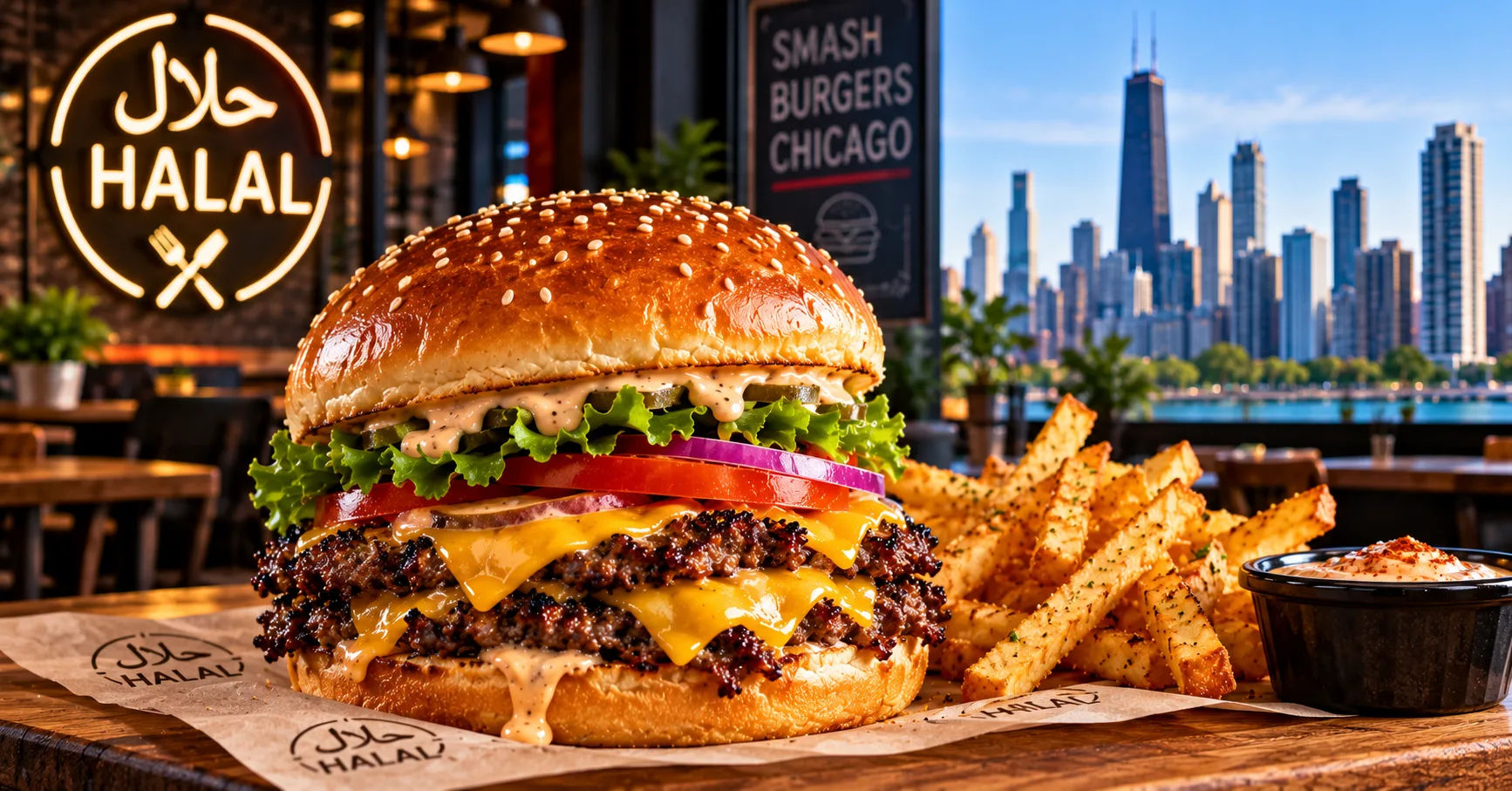
The growing interest in Smash Burgers in Chicago reflects the city's love of bold flavors, quality ingredients, and casual dining. Restaurants may put their own spin on this burger style by using different beef blends, seasoning combinations, cheeses, sauces, and toppings. Although individual recipes vary, the essential technique remains the same: pressing a ball of ground beef onto a hot, flat cooking surface to create a thin patty with a deeply browned crust.
Understanding how these burgers are made helps explain why they taste different from traditional thick hamburgers. It also makes it easier to recreate the experience at home. From selecting the right meat and preparing the griddle to assembling the burger and choosing complementary toppings, every step contributes to the final result.
This comprehensive guide explores the ingredients, cooking methods, flavor combinations, and preparation techniques commonly associated with Chicago-style smash burgers. It also explains how to achieve restaurant-quality results in your own kitchen.
What Makes Chicago Smash Burgers Special?
Smash Burgers in Chicago are not defined by a particular city or a single secret recipe. They are a style of hamburger prepared by pressing ground meat onto a hot cooking surface. In Chicago, restaurants can adapt this technique to suit local tastes, their menus, and their preferred ingredients.
The most recognizable feature is the patty's thin shape. Instead of forming a thick disc before cooking, the cook begins with a loose ball of ground beef and smashes it against a hot griddle.
This creates more direct contact between the meat and the metal. The resulting browning produces a savory crust, crisp edges, and a concentrated beef flavor.
Many versions feature American cheese or cheddar, pickles, onions, burger sauce, and a soft bun. Others use spicy sauces, specialty cheeses, or creative toppings to give the burger a distinctive character.
The appeal is not simply about adding more ingredients. A well-made smash burger balances a crisp patty, a soft bun, creamy or tangy condiments, and enough fresh toppings to prevent the meal from feeling overly rich.
The Ingredients Used to Make Smash Burgers
The best results usually come from using a small number of carefully selected ingredients. Quality matters because the recipe is relatively simple and each component contributes noticeably to the final flavor.
Ground Beef
Ground beef is the foundation of the burger. Many cooks prefer a blend containing approximately 20% fat because the fat contributes flavor, supports browning, and helps prevent the thin patty from becoming too dry.
Lean beef can still work, but the result may be less juicy. A suitable fat ratio is particularly useful when making very thin patties that cook quickly.
Freshly ground beef is a popular choice, although good-quality packaged ground beef can also produce excellent results. Keep the meat refrigerated until it is time to cook, and handle it safely.
Burger Buns
Soft potato rolls, brioche buns, and classic sesame-seed buns are common choices. The ideal bun should be soft enough to bite through easily while remaining sturdy enough to hold the meat, cheese, and sauce.
Many burger cooks toast the cut sides before assembly. This adds a lightly browned flavor and helps prevent the bread from absorbing too much moisture.
Cheese
American-style cheese is popular because it melts smoothly over the hot patty. Cheddar provides a sharper flavor, while other cheeses can offer creaminess or a more pronounced taste.
The cheese should melt without overpowering the beef. Adding it near the end of cooking allows the residual heat to soften it over the patty.
Seasonings
Salt and freshly ground black pepper are often enough for a traditional smash burger. Some recipes also use garlic powder, onion powder, or a small amount of another seasoning blend.
Seasoning the meat shortly before or during cooking helps keep the preparation simple. Heavy seasoning is rarely necessary when the beef develops a good crust.
Toppings and Sauces
Common additions include:
-
Sliced pickles for acidity and crunch
-
Onions for sharpness or sweetness
-
Lettuce and tomatoes for freshness
-
Mayonnaise for creaminess
-
Ketchup for sweetness and tang
-
Mustard for a sharper, more acidic flavor
The best combinations depend on personal preference, but toppings should complement the patty rather than hide its flavor.
How Smash Burgers in Chicago Are Prepared
Although every restaurant has its own workflow, the basic preparation method follows several important steps. The goal is to cook the meat quickly while developing a rich crust and preserving a satisfying texture.
Step 1: Preparing the Ground Beef
The cook starts by dividing the ground beef into small, evenly sized portions. Depending on the restaurant's preferred burger size, each portion may weigh around 60–100 grams.
The beef is shaped loosely into a ball rather than pressed into a flat patty in advance. This makes it easier to spread the meat directly onto the cooking surface.
Keeping the portions consistent also helps the cook manage cooking times and assemble burgers of a similar size.
Step 2: Heating the Griddle
A flat-top griddle is one of the most useful tools for preparing smash burgers. Its broad, flat surface allows the cook to prepare several patties while maintaining good contact between the meat and the hot metal.
The griddle must be hot before the beef is added. If it is too cool, the meat may release moisture and steam instead of developing a deeply browned exterior.
Restaurants often use commercial griddles because they retain heat well and can handle repeated batches. At home, a heavy cast-iron skillet or another suitable heavy pan can produce a similar result.
Step 3: Smashing the Meat
Once the griddle is hot, the cook places a ball of beef onto the surface and presses it down firmly with a sturdy metal spatula or burger press.
The meat spreads into a thin layer, increasing the amount of surface that touches the griddle. This is the defining step that separates a smash burger from many traditional hamburgers.
The pressing should happen immediately after the meat touches the cooking surface. Waiting too long can make the beef harder to spread evenly.
A piece of parchment paper can help prevent sticking when using a press, although some professional cooks use a spatula designed for the job.
Step 4: Developing the Crispy Crust
After smashing the beef, the cook seasons the exposed side with salt and pepper. The patty is then left undisturbed while the bottom develops a brown crust.
This browning is important because it creates complex roasted and savory flavors. The process is known as the Maillard reaction, which occurs when food components react under suitable cooking conditions.
The thin edges may become especially crisp, giving the burger its distinctive texture.
A common mistake is moving the patty too soon. Allowing the crust to develop before flipping helps the browned surface remain intact.
Step 5: Flipping the Patty
When the first side is properly browned, the cook slides a sturdy spatula underneath the meat and flips it.
Because smash patties are thin, the second side usually cooks relatively quickly. The exact timing depends on the patty's thickness, the temperature of the griddle, and the amount of meat used.
Ground beef should reach an internal temperature of 71°C (160°F) for food safety. A food thermometer is more reliable than judging doneness by appearance alone.
Step 6: Melting the Cheese
Cheese is generally added during the final stage of cooking. The heat from the patty softens the cheese and allows it to settle over the browned beef.
Some restaurants prepare double-patty burgers by stacking two thin patties with cheese between or over them. This arrangement provides more browned surface area and creates a richer flavor in each bite.
The cheese should complement the meat rather than become so thick that it overwhelms the burger.
Step 7: Toasting the Buns
While the patties finish cooking, the buns may be toasted cut-side down on the griddle.
A lightly browned surface adds texture and a subtle roasted flavor. It also helps the bread resist moisture from the sauce and meat.
The buns should remain soft inside. Over-toasting can make them dry and difficult to bite through.
Step 8: Assembling the Burger
The cook spreads sauce onto the bun and adds the cooked patty or patties. Pickles, onions, lettuce, and other toppings are then arranged according to the restaurant's recipe.
The order of ingredients can affect how the burger feels when eaten. For example, placing sauce against the bun helps distribute flavor, while pickles provide a sharp contrast to the rich meat and cheese.
The finished burger is usually served immediately so the patty remains hot and its crisp edges retain their texture.
Why Smash Burgers Develop Such a Rich Flavor
The distinctive taste of smash burgers comes from a combination of heat, browning, fat, and ingredient balance.
The Importance of the Maillard Reaction
When the beef makes direct contact with a sufficiently hot griddle, its surface browns and develops complex flavors. This reaction is responsible for much of the savory taste associated with seared meat.
Because a smash patty has a large surface area relative to its thickness, it can develop a substantial crust in a short period.
The browned surface also creates a contrast with the softer interior of the meat.
Fat and Flavor
Fat carries flavor and contributes to the burger's mouthfeel. As the beef cooks, some fat renders onto the griddle, helping the meat brown and adding richness.
However, more fat is not always better. The goal is to find a balance that produces a flavorful patty without making the finished burger excessively greasy.
The Balance of Toppings
Pickles and mustard add acidity, which cuts through the richness of beef and cheese. Onions add either sharpness or sweetness, depending on how they are prepared.
Creamy sauces help bring the ingredients together, while toasted bread adds a mild roasted flavor.
This balance is one reason a relatively simple burger can taste so satisfying.
Chicago-Inspired Smash Burger Styles
Chicago's restaurant scene includes many different approaches to burgers. There is no single recipe that represents every restaurant in the city, but several styles demonstrate how cooks can adapt the smash technique.
Classic Double Cheeseburger
Two thin beef patties, melted cheese, pickles, onions, and a soft bun create a familiar combination. This style focuses on crispy meat and balanced toppings rather than elaborate additions.
Onion Smash Burger
Thinly sliced onions can be cooked alongside the patty or pressed into the beef before the crust develops. The onions soften and brown, adding sweetness and extra texture.
Spicy Smash Burger
Jalapeños, pepper jack cheese, or a spicy sauce give the burger more heat. The best versions keep the beef flavor noticeable rather than relying entirely on spice.
Loaded Smash Burger
Additional toppings, such as tomatoes, lettuce, specialty sauces, or crispy onions, create a more substantial burger. Careful portioning keeps the toppings from overpowering the patty.
These are examples of possible styles rather than a definitive list of Chicago restaurant specialties. Individual establishments may use their own signature sauces, cheese blends, and preparation methods.
How to Make Chicago-Style Smash Burgers at Home
You can recreate the essential technique in a home kitchen without a commercial flat-top griddle.
Ingredients for Two Double Burgers
-
400 grams of ground beef, preferably around 20% fat
-
Two soft burger buns
-
Four slices of melting cheese
-
One small onion
-
Sliced pickles
-
Salt and black pepper
-
Mayonnaise, ketchup, and mustard
-
Lettuce, if desired
Choose ingredients that meet your dietary needs and keep raw meat separate from ready-to-eat foods.
Preparation Method
First, prepare the beef. Divide it into four loose balls of approximately 100 grams each. Avoid squeezing or kneading the meat more than necessary.
Next, heat the pan. Use a heavy skillet or griddle over medium-high to high heat. Make sure it is thoroughly hot before adding the beef.
Smash each portion. Place a beef ball on the cooking surface and press it firmly into a thin patty. Season with salt and pepper, then leave it undisturbed until the underside is deeply browned.
Flip and finish cooking. Turn the patty with a sturdy spatula and cook the other side. Add cheese and check that the ground beef reaches 71°C (160°F).
Toast the buns. Lightly brown the cut sides on the griddle. This improves flavor and helps keep the bread from becoming soggy.
Make the sauce. Combine mayonnaise, ketchup, mustard, and finely chopped pickles. Adjust the amounts to suit your taste.
Assemble and serve. Spread the sauce onto the buns, add the cheesy patties, and finish with onions and pickles. Serve while hot.
The most important part of the process is pressing the meat at the right time. Once the patty has been smashed, allow it to brown instead of repeatedly pressing or moving it.
Common Mistakes to Avoid
Even a simple recipe can be disappointing if the technique is incorrect. A few adjustments can significantly improve the result.
Using a Pan That Is Not Hot Enough
A cool pan may cause the beef to release moisture without developing a good crust. Preheating the cooking surface is essential for strong browning.
Pressing the Patty Repeatedly
Smashing the meat once at the beginning creates the desired thin shape. Pressing it repeatedly during cooking can squeeze out juices and fat without improving the crust.
Choosing Meat That Is Too Lean
Very lean beef can taste dry when cooked as a thin patty. A moderate fat content usually offers a better balance of flavor and texture.
Adding Too Many Toppings
Excessive toppings can make the burger difficult to hold and hide the flavor of the meat. Start with a few well-matched ingredients and add more only when they contribute something useful.
Ignoring Food Safety
Always handle raw beef carefully and use a thermometer to check doneness. Keep cooked patties away from surfaces or utensils contaminated by raw meat.
What Should You Look for When Ordering Smash Burgers in Chicago?
If you are visiting a restaurant or ordering takeaway, a few details can help you recognize a well-prepared smash burger.
-
A properly browned patty: The exterior should have a deep brown crust rather than looking pale and steamed.
-
A balanced texture: The edges should offer some crispness while the burger remains easy to bite through.
-
Freshly prepared ingredients: Fresh toppings and a properly toasted bun can make a noticeable difference.
-
Well-balanced seasoning: The beef should taste savory without being overwhelmed by salt or spices.
-
A suitable bun-to-meat ratio: The bun should hold the ingredients together without dominating the burger.
-
Consistent food safety: The restaurant should handle meat properly and cook ground beef to a safe temperature.
You can also ask how the restaurant prepares its patties. Some establishments may smash the meat directly on the griddle, while others may use different equipment or preparation routines.
If you have specific dietary requirements, ask about ingredients and food-handling practices before ordering.
Are Smash Burgers Different From Traditional Chicago Burgers?
Chicago has a broad burger culture, and not every local burger follows the smash method. Traditional burgers can feature thicker patties, different seasonings, and more elaborate toppings.
The primary difference is how the beef is shaped and cooked.
A traditional hamburger often starts with a formed patty that retains much of its thickness during cooking. A smash burger starts with a ball of ground beef that is pressed into a thin layer on a hot cooking surface.
This difference affects the balance of crust and interior. A thicker burger offers a more substantial bite of meat, while a smash burger emphasizes browned edges and a greater proportion of crust relative to the patty's size.
Neither method is automatically better. The choice depends on whether you prefer a thick, substantial patty or a thinner burger with a pronounced seared flavor.
Conclusion
Smash burgers are made by combining simple ingredients with a specific cooking technique. The beef is divided into loose portions, pressed onto a hot flat surface, seasoned, and cooked until a rich brown crust develops. Cheese is added near the end, while toasted buns, fresh vegetables, pickles, and sauces complete the burger.
The appeal of Smash Burgers in Chicago comes from the way this technique can be adapted to different tastes and restaurant styles. Some versions emphasize the classic combination of beef, cheese, onions, and pickles, while others introduce spicy sauces, specialty cheeses, or additional toppings.
The secret to a successful burger is not an elaborate recipe. It is the combination of suitable ground beef, a properly heated griddle, timely smashing, and careful cooking. Using beef with a moderate fat content helps provide flavor, while allowing the patty to brown without unnecessary movement encourages a crisp exterior.
You can achieve similar results at home with a heavy skillet, a sturdy spatula, and fresh ingredients. Prepare the toppings in advance, smash the beef as soon as it reaches the hot surface, and avoid pressing the patty repeatedly. Always check that ground beef reaches a safe internal temperature.
Whether you enjoy a classic double cheeseburger or prefer a creative combination of toppings, understanding the preparation process helps you appreciate what makes this style distinctive. With the right ingredients and technique, you can recreate the crisp edges, savory flavor, and satisfying texture associated with a well-made Chicago-style smash burger.
