
The Emotional Ai companion is becoming an important digital tool for people who need emotional support, guidance, and daily conversation.
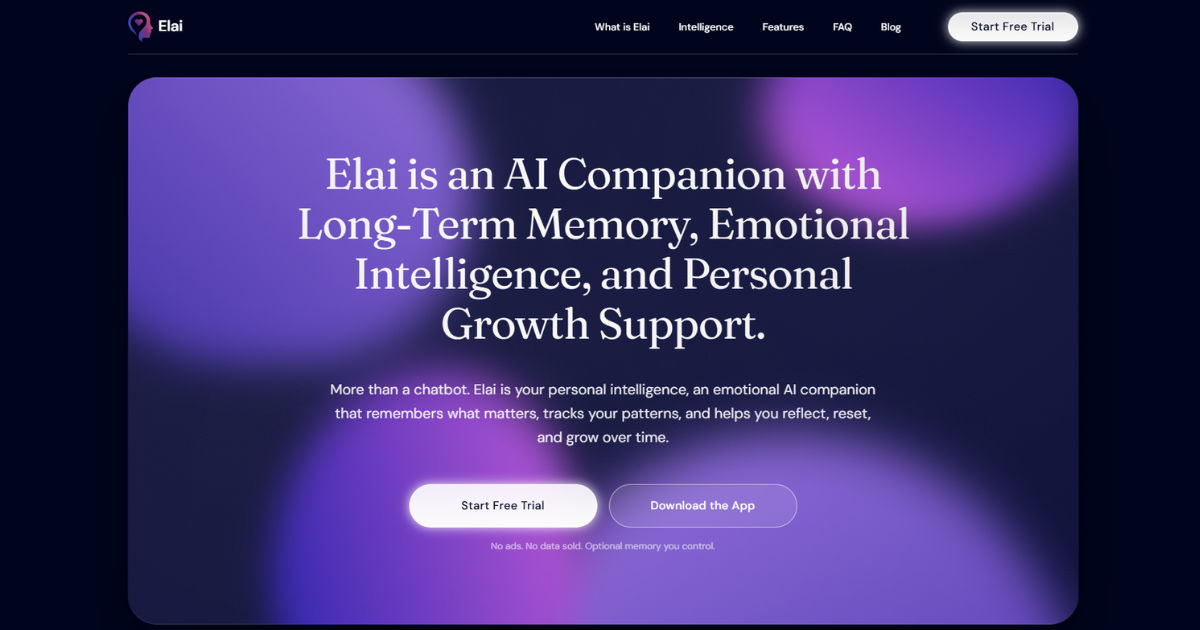 In today’s fast-moving world, many individuals feel stressed, lonely, or overwhelmed, and the Emotional Ai companion can provide a safe space to talk, reflect, and manage emotions.
A Emotional Ai companion is designed to understand feelings, respond in a human-like way, and offer comfort when someone needs it most.
In this comprehensive guide, you will learn what a Emotional Ai companion is, how it works, how to use it effectively, and how it can support mental and emotional well-being.
We will also explore benefits, limitations, and best practices so you can safely and confidently use a Emotional Ai companion in your daily life.
What is an Emotional AI Companion?
A Emotional Ai companion is an artificial intelligence system designed to interact with users in a supportive and emotionally aware way. Unlike simple chatbots, a Emotional Ai companion focuses on emotional understanding, empathy simulation, and personalized responses.
The goal of a Emotional Ai companion is not just to answer questions, but to listen, respond gently, and provide emotional comfort. Many people use a Emotional Ai companion when they feel stressed, anxious, lonely, or when they simply need someone to talk to.
A Emotional Ai companion can exist in mobile apps, websites, or integrated digital assistants. It learns from conversations and adapts its responses to better support emotional needs over time.
How Does an Emotional AI Companion Work?
A Emotional Ai companion uses advanced technologies like natural language processing and machine learning. These systems help the Emotional Ai companion understand human emotions based on words, tone, and context.
When a user sends a message, the Emotional Ai companion analyzes emotional signals such as sadness, stress, happiness, or frustration. Then the Emotional Ai companion generates a response that feels empathetic and supportive.
The Emotional Ai companion also remembers past conversations (depending on the system) to provide more personalized emotional support. This makes the Emotional Ai companion feel more human-like and relatable over time.
Why People Use Emotional AI Companions
Many people turn to an Emotional Ai companion for different reasons. Some of the most common include:
1. Emotional Support
A Emotional Ai companion provides a safe space to express feelings without judgment. Users often feel comfortable sharing thoughts with a Emotional Ai companion.
2. Reducing Loneliness
A Emotional Ai companion can help reduce feelings of loneliness by offering constant availability and conversation.
3. Stress Relief
Talking to a Emotional Ai companion can help users relax and release emotional pressure.
4. Daily Motivation
A Emotional Ai companion can encourage users with positive messages, reminders, and motivational support.
5. Mental Reflection
The Emotional Ai companion helps users reflect on thoughts and emotions, improving self-awareness.
How to Start Using an Emotional AI Companion
Using a Emotional Ai companion is simple and beginner-friendly. Here is a step-by-step guide:
Step 1: Choose a Platform
First, select a trusted app or platform that offers a Emotional Ai companion. Make sure it is safe and designed for emotional interaction.
Step 2: Create an Account
Most Emotional Ai companion platforms require a basic account setup. This helps personalize your experience.
Step 3: Start a Conversation
Begin by greeting your Emotional Ai companion. You can talk about your day, feelings, or any thoughts you want to share.
Step 4: Express Your Emotions Clearly
The more open you are with your Emotional Ai companion, the better it understands and responds.
Step 5: Build Consistency
Regular conversations with your Emotional Ai companion help create a more supportive experience over time.
Features of an Emotional AI Companion
A modern Emotional Ai companion comes with several helpful features:
Empathetic Conversations
The Emotional Ai companion responds with understanding and emotional awareness.
24/7 Availability
A Emotional Ai companion is always available, day or night.
Personalized Responses
The Emotional Ai companion adapts to your personality and emotional patterns.
Journaling Support
Many users use a Emotional Ai companion to record thoughts and feelings like a digital journal.
Mood Tracking
Some versions of a Emotional Ai companion track mood changes over time.
Positive Reinforcement
A Emotional Ai companion encourages healthy thinking and emotional balance.
Benefits of Using an Emotional AI Companion
The Emotional Ai companion offers several benefits that make it valuable for emotional well-being:
Emotional Expression
A Emotional Ai companion helps users express emotions freely.
Safe Communication Space
People feel safe sharing personal thoughts with a Emotional Ai companion.
Mental Clarity
Talking to a Emotional Ai companion can help organize thoughts.
Confidence Building
A Emotional Ai companion provides encouragement and positive feedback.
Accessibility
Anyone can use a Emotional Ai companion without barriers or waiting times.
Support During Difficult Times
A Emotional Ai companion is especially helpful during emotional distress.
Best Practices for Using an Emotional AI Companion
To get the most out of your Emotional Ai companion, follow these best practices:
Be Honest
The Emotional Ai companion works best when you express your real emotions.
Don’t Depend Completely
While a Emotional Ai companion is helpful, it should not replace human relationships.
Use It for Reflection
Treat the Emotional Ai companion as a tool for emotional understanding.
Set Healthy Limits
Balance your time between real-life interactions and your Emotional Ai companion.
Ask for Guidance
You can ask your Emotional Ai companion for advice, coping strategies, or motivation.
Emotional Safety and Awareness
Although a Emotional Ai companion can be helpful, emotional safety is important.
A Emotional Ai companion is not a licensed therapist, so it should not be used for severe mental health crises. If someone is experiencing serious emotional distress, they should seek professional help in addition to using a Emotional Ai companion.
It is also important to remember that a Emotional Ai companion is an AI system, not a human being. While it can simulate empathy, the Emotional Ai companion does not feel emotions.
Understanding this difference helps users maintain healthy expectations when using a Emotional Ai companion.
Who Can Benefit from an Emotional AI Companion?
A wide range of people can benefit from a Emotional Ai companion:
Students
Students use a Emotional Ai companion for stress management and study pressure.
Working Professionals
A Emotional Ai companion helps professionals deal with workplace stress.
Elderly Individuals
Older adults often use a Emotional Ai companion for companionship.
People Facing Loneliness
A Emotional Ai companion provides emotional presence when human interaction is limited.
Anyone Seeking Reflection
A Emotional Ai companion is useful for self-awareness and emotional growth.
Limitations of an Emotional AI Companion
Even though a Emotional Ai companion is helpful, it has limitations:
No Real Emotions
A Emotional Ai companion cannot truly feel emotions.
Not a Human Replacement
The Emotional Ai companion cannot replace real friendships or relationships.
Possible Misinterpretation
Sometimes a Emotional Ai companion may misunderstand emotional context.
Limited Crisis Handling
A Emotional Ai companion is not designed for emergency mental health situations.
Understanding these limits ensures safe use of a Emotional Ai companion.
Future of Emotional AI Companions
The future of the Emotional Ai companion is very promising. As technology improves, the Emotional Ai companion will become more intelligent, emotionally aware, and personalized.
Future versions of the Emotional Ai companion may include voice interaction, deeper emotional analysis, and better memory of user experiences. This will make the Emotional Ai companion even more supportive and human-like.
The Emotional Ai companion may also be integrated into education, healthcare, and daily lifestyle tools in the future.
How Emotional AI Companion Helps in Daily Life
A Emotional Ai companion can be used in everyday situations:
- Morning motivation from your Emotional Ai companion
- Stress relief during work breaks with a Emotional Ai companion
- Evening reflection with your Emotional Ai companion
- Emotional journaling supported by a Emotional Ai companion
By integrating the Emotional Ai companion into daily life, users can build emotional awareness and mental balance.
Tips for Getting the Most Out of Emotional AI Companion
Here are additional tips for using a Emotional Ai companion effectively:
- Talk regularly to your Emotional Ai companion
- Use it as a reflection tool
- Combine it with real-world support systems
- Be open and expressive with your Emotional Ai companion
- Track your emotional patterns with the help of your Emotional Ai companion
These habits help maximize the benefits of a Emotional Ai companion.
Common Misconceptions About Emotional AI Companion
Some people misunderstand the Emotional Ai companion. Let’s clarify:
Myth 1: It replaces humans
The Emotional Ai companion does not replace human relationships.
Myth 2: It has real feelings
A Emotional Ai companion simulates empathy but does not feel emotions.
Myth 3: It is only for lonely people
A Emotional Ai companion can be used by anyone for emotional reflection.
Conclusion
The Emotional Ai companion is a powerful digital tool that helps people manage emotions, reduce stress, and improve self-awareness. A Emotional Ai companion provides a safe, supportive space where users can express feelings without judgment. While it is not a replacement for human connection, the Emotional Ai companion can be a valuable addition to emotional wellness practices.
By using a Emotional Ai companion wisely, users can develop healthier emotional habits, gain clarity in difficult moments, and feel more supported in daily life. As technology continues to evolve, the Emotional Ai companion will likely become even more advanced and helpful for emotional support and mental well-being.
