
Low carbon heating solutions are becoming more important as energy costs rise and environmental concerns grow. Many people living in apartments and flats wonder whether low carbon heating solutions can actually work in their type of home without major disruption or high installation costs.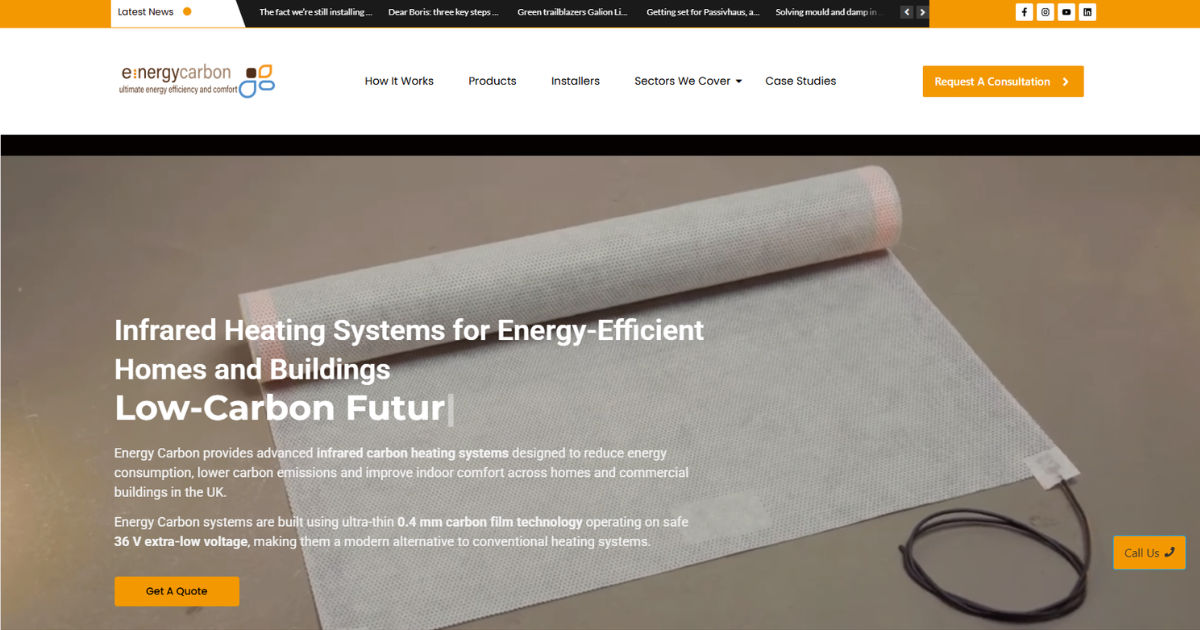
In this guide, we will explore how low carbon heating solutions perform in flats, what systems are available, the challenges involved, and whether they are truly practical for apartment living. We will also look at installation considerations, costs, efficiency, and real-world suitability so you can make an informed decision.
What Are Low Carbon Heating Solutions?
Low carbon heating solutions refer to heating systems that produce significantly lower greenhouse gas emissions compared to traditional gas or oil-based heating. These systems aim to reduce environmental impact while still providing comfortable indoor temperatures.
Common types include:
- Heat pumps (air source and ground source)
- Electric heating systems powered by renewable energy
- District heating networks
- Infrared heating panels
- Hybrid systems combining renewable and conventional energy
The main goal of low carbon heating solutions is to reduce reliance on fossil fuels while maintaining or improving heating efficiency.
Why Flats Present Unique Heating Challenges
Before deciding whether low carbon heating solutions work in flats, it is important to understand the limitations of apartment living.
Limited Outdoor Space
Many systems, especially heat pumps, require outdoor units or ground space. Flats often have:
- No private garden
- Limited balcony space
- Shared building exterior restrictions
This can make installation more complex.
Shared Building Infrastructure
In apartment buildings:
- Heating systems are often centralized
- Residents may not control individual heating upgrades
- Changes may require landlord or building management approval
Noise and Aesthetic Restrictions
Some low carbon heating solutions (like air source heat pumps) produce low levels of noise and require external units that may not be allowed in certain buildings.
Can Low Carbon Heating Solutions Work in Flats?
The short answer is: yes, but it depends on the system and building type.
Low carbon heating solutions can work very well in flats when the right technology is chosen and building constraints are considered.
Let’s break it down by system type.
Air Source Heat Pumps in Flats
Air source heat pumps extract heat from outside air and convert it into indoor heating.
Advantages
- Highly energy efficient
- Works in most climates
- Lower carbon emissions than gas boilers
Challenges in Flats
- Requires external unit placement
- May not be allowed on balconies or shared walls
- Needs good insulation inside the flat
Practical Use in Flats
Air source heat pumps are more suitable for:
- Ground-floor flats with outdoor access
- Modern apartment buildings designed with renewable energy systems
- Renovated flats with landlord approval
In many cases, this low carbon heating solution requires building-wide planning rather than individual installation.
Ground Source Heat Pumps and Flats
Ground source heat pumps use underground pipes to extract heat.
Why They Are Less Common in Flats
- Require significant land area
- Not practical for individual apartments
- Usually only used in large housing developments
Where They Work
- Entire apartment complexes with shared systems
- New-build eco-developments
This makes them one of the least flexible low carbon heating solutions for individual flat owners.
Electric Heating with Renewable Energy
Electric heating systems are becoming more popular as electricity grids shift toward renewable energy.
Types Include
- Electric radiators
- Storage heaters
- Underfloor electric heating
- Infrared panels
Why They Work Well in Flats
- No external installation required
- Easy to upgrade from existing systems
- Suitable for small spaces
Limitations
- Can be expensive if electricity prices are high
- Efficiency depends on insulation quality
- Best when paired with green electricity tariffs
For many urban flats, this is one of the most practical low carbon heating solutions available.
Infrared Heating Panels
Infrared panels heat objects and people directly rather than heating the air.
Advantages
- Slim and space-saving
- Easy wall or ceiling installation
- No plumbing required
Why They Suit Flats
Infrared systems are particularly well-suited for apartments because:
- They do not require external units
- Installation is quick and non-invasive
- They work well in small to medium rooms
However, they are best used in well-insulated flats to maximize efficiency.
District Heating Systems in Apartment Buildings
District heating is one of the most effective low carbon heating solutions for flats.
How It Works
Heat is generated in a central plant and distributed to multiple buildings through insulated pipes.
Benefits
- Very efficient at scale
- Low carbon if powered by renewable energy or waste heat
- No need for individual boilers
Why It Works Well in Flats
- Ideal for multi-unit buildings
- No installation required in individual apartments
- Stable and consistent heating supply
Limitations
- Dependence on building management or city infrastructure
- Limited control over individual usage systems
Many modern cities are investing heavily in district heating as a long-term solution.
Hybrid Heating Systems in Flats
Hybrid systems combine traditional and low-carbon technologies.
Example Setup
- Heat pump + electric backup heater
- Gas boiler + renewable electricity support
Advantages
- Flexible performance
- Reduced carbon emissions without full system replacement
Suitability for Flats
Hybrid systems are useful where:
- Full system replacement is not possible
- Landlord approval is limited
- Gradual transition to low carbon heating solutions is preferred
Insulation: The Key Factor Most People Ignore
No matter which low carbon heating solutions are used, insulation plays a major role in efficiency.
Poorly insulated flats will:
- Lose heat quickly
- Require more energy
- Increase heating costs
Important insulation areas include:
- Windows (double or triple glazing)
- Walls
- Floors
- Roof (for top-floor flats)
Improving insulation often delivers better results than changing heating systems alone.
Cost Considerations for Flats
The cost of low carbon heating solutions varies depending on the system.
Installation Costs
- Electric heating: Low to moderate
- Infrared panels: Moderate
- Heat pumps: High (if installation is possible)
- District heating: Usually no installation cost for residents
Running Costs
- Depends on electricity prices
- Improves significantly with renewable energy tariffs
- Highly influenced by insulation quality
While upfront costs may be higher for some systems, long-term savings and environmental benefits are significant.
Are Low Carbon Heating Solutions Easy to Install in Flats?
Ease of installation depends on three main factors:
1. Building Ownership Rules
- Tenants need landlord approval
- Leasehold flats may require management permission
2. Physical Space
- External units may not be allowed
- Internal space for radiators or panels is usually sufficient
3. System Type
- Electric and infrared systems are easiest
- Heat pumps require more planning
- District heating requires no individual installation
So, while not all low carbon heating solutions are equally easy, several options are highly suitable for flats.
Environmental Benefits in Apartment Living
Switching to low carbon heating solutions in flats can significantly reduce emissions.
Key benefits include:
- Lower carbon footprint per household
- Reduced reliance on fossil fuels
- Improved urban air quality
- Contribution to climate goals
Since flats are often densely populated, the collective impact of switching is very high.
Future of Heating in Flats
The future of low carbon heating solutions in apartments looks promising.
We are likely to see:
- More district heating expansion in cities
- Wider adoption of electric and infrared systems
- Smarter energy management systems
- Integration with solar power in apartment buildings
Government policies are also encouraging greener heating systems, making adoption more common.
Common Misconceptions
“Flats cannot use low carbon heating solutions”
This is false. Many systems are designed specifically for apartments.
“They are too expensive”
While installation can be costly in some cases, many systems reduce long-term bills.
“They are complicated”
Modern low carbon heating solutions are often simpler to use than traditional boilers.
Conclusion
Low carbon heating solutions can absolutely work in flats, but their ease of implementation depends on the building design, ownership rules, and the type of system chosen. Electric heating, infrared panels, and district heating are often the most practical options for apartment living, while heat pumps may require more planning and approval.
The key to success is choosing the right system for your specific flat and improving insulation to maximize efficiency. As cities continue to evolve and sustainability becomes a priority, low carbon heating solutions will play a central role in transforming how apartments are heated.
For many residents, the transition is not only possible but increasingly practical, affordable, and beneficial in the long run.
