
Many people feel unsure about what they can or cannot do before a urine test. One common concern is whether eating food might affect the results.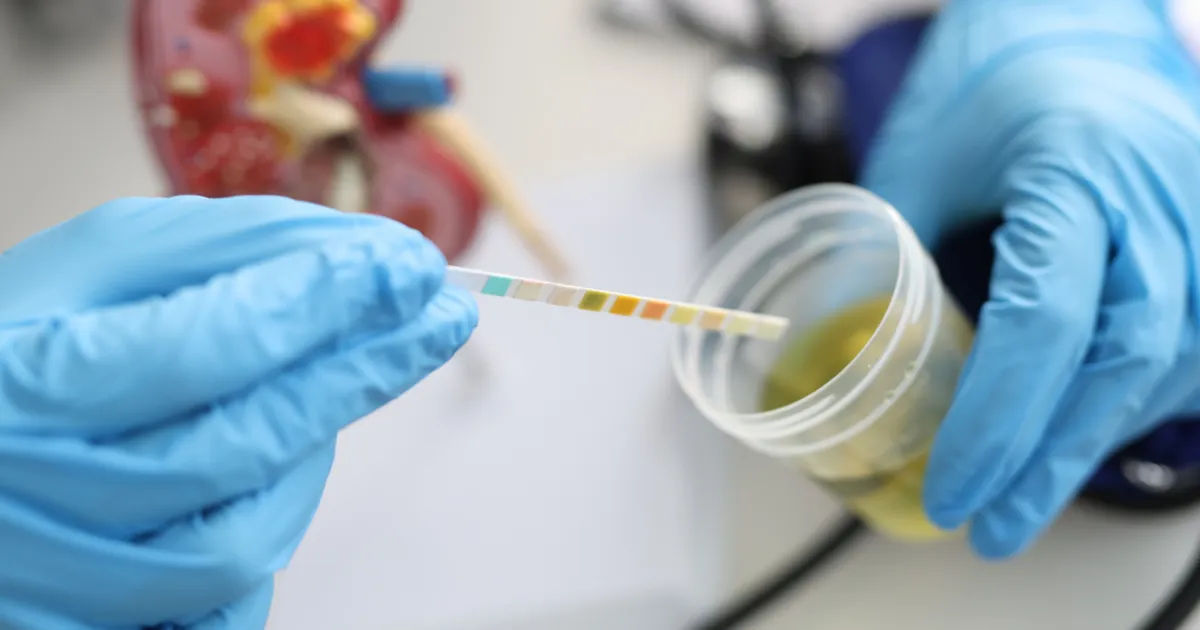
In some online searches, people also come across phrases like “can you freeze urine for a drug test”, which is unrelated to normal medical preparation and is not relevant to understanding safe or accurate testing practices.
What actually matters is knowing how your body processes food, how urine tests work, and what guidelines you should follow before testing.This guide explains everything in simple language so you can feel confident and prepared.
Understanding What a Urine Test Checks
A urine test is a common medical or workplace screening tool. It helps detect and measure different substances in your urine.
What Doctors Look For
Urine tests may check for:
- Hydration levels
- Kidney function
- Infections
- Glucose (sugar) levels
- Protein levels
- Drugs or medication metabolites
Why It Is Used
Doctors and employers use urine tests because:
- It is non-invasive
- It is quick and affordable
- It gives useful health information
- It can detect substances your body has processed
Understanding this helps reduce confusion about food and test results.
Can You Eat Before a Urine Test?
In most cases, yes—you can eat before a urine test. However, there are some exceptions depending on the type of test.
Normal Urine Tests
For routine urine tests:
- Eating food is allowed
- Normal diet does not usually affect results
- You do not need to fast
Special Medical Tests
Some tests may require fasting, such as:
- Glucose tolerance tests
- Specific hormone tests
- Certain metabolic evaluations
In these cases, your doctor will clearly tell you not to eat beforehand.
How Food Affects Urine Results
Food does not usually change urine test results significantly, but certain things can have mild effects.
Foods That May Influence Results
Some foods may temporarily affect urine appearance or composition:
- Beets (can change color)
- Asparagus (can affect smell)
- High-protein meals (may slightly affect urea levels)
- Salt-heavy foods (may influence hydration balance)
These changes are harmless and temporary.
Hydration Matters More
What matters more than food is water intake:
- Dehydration can make urine darker
- Overhydration can make urine too diluted
- Balanced water intake gives the most accurate results
Medications and Supplements Before a Urine Test
Food is usually not a concern, but medications and supplements can be.
Prescription Medications
Always inform your doctor about:
- Antibiotics
- Diabetes medication
- Blood pressure drugs
These may affect test readings.
Vitamins and Supplements
Some supplements may influence urine:
- Vitamin B complex (can brighten urine color)
- Vitamin C (can alter certain readings)
- Protein supplements (may increase nitrogen waste)
Always disclose supplement use if asked.
Should You Fast Before a Urine Test?
Fasting is not required for most urine tests.
When Fasting Is NOT Needed
- Routine health screening
- Drug screening
- Pregnancy testing
- Infection checks
When Fasting MAY Be Needed
- Metabolic testing
- Combined blood and urine tests
- Specialized diagnostic panels
Always follow instructions from your healthcare provider.
Common Myths About Eating Before a Urine Test
There is a lot of misinformation online. Let’s clear up some myths.
Myth 1: Eating Always Affects Results
False. Most foods do not interfere with standard urine testing.
Myth 2: You Must Be Completely Fasting
False. Only specific tests require fasting.
Myth 3: Drinking Less Water Helps “Control” Results
False and unsafe. Proper hydration is important for accurate results.
Myth 4: Home Tricks Can Change Test Outcomes
False and unreliable. Medical tests are designed to detect manipulation.
What You Should Avoid Before a Urine Test
While eating is generally fine, some things should be avoided.
Avoid Excess Caffeine
- May increase urination
- Can slightly affect hydration
Avoid Alcohol
- Can dehydrate the body
- May alter test markers
Avoid Overexercising
- Intense exercise can temporarily affect protein levels in urine
Preparing Properly for a Urine Test
Good preparation ensures accurate results.
Step 1: Follow Instructions
Always read or ask for guidelines from your doctor or lab.
Step 2: Maintain Normal Diet
- Eat normally unless told otherwise
- Avoid extreme diets before testing
Step 3: Stay Hydrated
- Drink water as usual
- Do not overdrink or restrict fluids
Step 4: Provide Honest Information
Tell your doctor about:
- Medicines
- Supplements
- Health conditions
Why Accuracy in Urine Testing Matters
Urine tests are used to make important decisions about health.
Medical Importance
They help detect:
- Kidney disease
- Diabetes
- Infections
- Nutritional issues
Workplace Importance
They may be used for:
- Safety screening
- Compliance requirements
- Health verification
Accurate results help ensure proper diagnosis or fair evaluation.
What Happens During a Urine Test
Understanding the process can reduce anxiety.
Step 1: Sample Collection
You provide a urine sample in a sterile container.
Step 2: Labeling
Your sample is labeled for identification.
Step 3: Laboratory Analysis
The lab checks for:
- Chemical composition
- Microscopic elements
- Drug metabolites if required
Step 4: Results Review
A doctor or professional interprets the results.
Tips for Stress-Free Testing
Feeling nervous is normal, but preparation helps.
Be Prepared
- Know what type of test you are taking
- Ask questions beforehand
Stay Relaxed
- Stress does not affect urine results
- Calmness helps the process go smoothly
Follow Simple Instructions
- Do not overthink diet unless told
- Just follow normal routine
Conclusion
Eating before a urine test is generally safe and does not interfere with most standard medical screenings. Only specific tests require fasting or dietary restrictions, and these instructions will always be clearly provided by your healthcare provider. What matters more than food is proper hydration, honest disclosure of medications or supplements, and following testing instructions carefully.
Many people get confused by misinformation online, including unrelated search phrases like “can you freeze urine for a drug test”, but in reality, urine testing is a straightforward medical process designed to reflect your natural body condition. There is no need to change your diet drastically unless instructed.
By understanding how urine tests work and preparing properly, you can ensure accurate results and avoid unnecessary stress.
