
Choosing the right work clothing is about more than appearance. Workers need garments that can handle demanding environments while providing comfort, mobility, storage, and protection from workplace hazards. This is especially important in industries where workers may encounter heat, sparks, flames, electrical hazards, or rough working conditions. In such situations, fr cargo pants for men can be a practical option because they combine the useful features of tactical cargo trousers with flame-resistant protection.
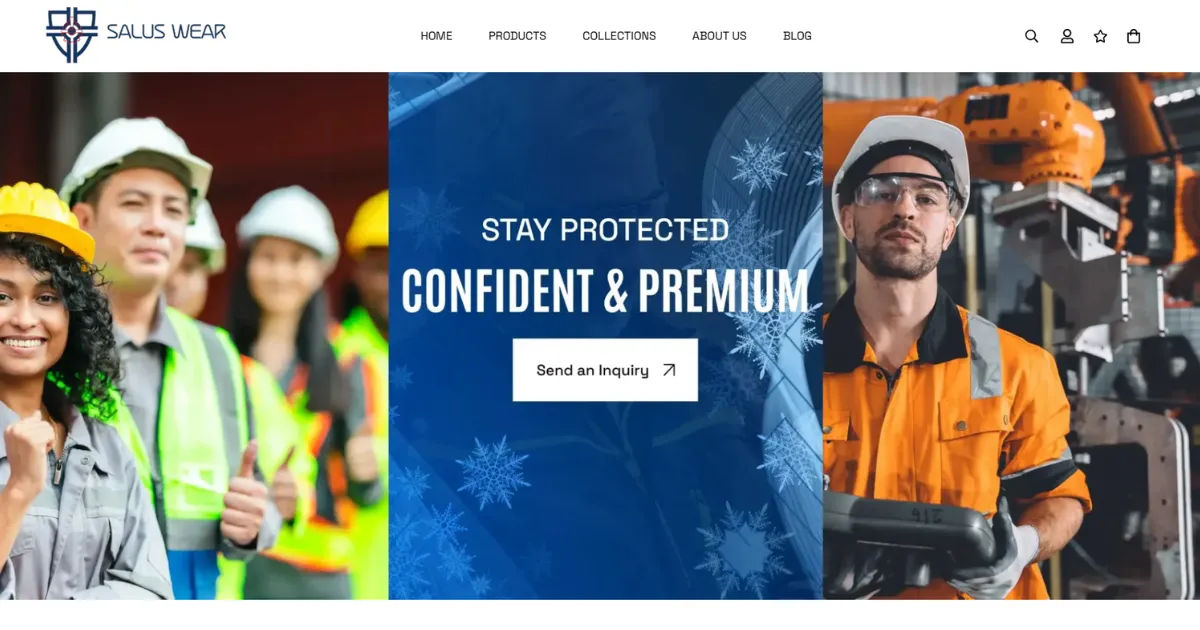
Tactical workwear is designed around functionality. Multiple pockets, durable fabrics, reinforced areas, flexible construction, and practical fits make tactical pants useful for people who spend long hours moving, lifting, climbing, repairing, or working outdoors. When these features are combined with flame-resistant materials, the result can be a highly functional garment for certain occupations.
The key question is whether fr cargo pants for men are actually suitable for jobs. The answer depends on the type of work, the hazards involved, and the safety standards required by the employer. These pants can be excellent for some occupations, but they should never be selected simply because they look rugged or tactical.
What Are Tactical FR Cargo Pants?
Tactical FR cargo pants are work trousers that combine tactical-style construction with flame-resistant properties. They are generally designed with several utility pockets, durable fabric, reinforced stitching, and features intended to support workers in physically demanding environments.
The "FR" in the name means flame resistant. Flame-resistant clothing is designed to resist ignition or limit the spread of flames when exposed to certain thermal hazards. It does not mean that the clothing makes a worker fireproof or allows someone to safely stand in a fire.
The tactical design adds practical features. Large cargo pockets can provide space for tools, gloves, measuring equipment, notebooks, phones, or other small work items. Reinforced construction can also improve durability when trousers are exposed to frequent movement and demanding tasks.
How Do FR Cargo Pants Provide Protection?
The protective performance of FR clothing depends heavily on the fabric and garment construction. Some FR fabrics are inherently flame resistant, meaning their protective properties are built into the fibers. Others receive chemical treatments that provide flame-resistant characteristics.
A properly designed FR garment is intended to behave differently from ordinary clothing when exposed to flame. Instead of continuing to burn rapidly after the ignition source is removed, suitable FR material can self-extinguish under the conditions for which it is tested.
This distinction is important in workplace safety. Ordinary cotton, synthetic fabrics, and blended materials may ignite or melt under particular conditions. Depending on the material, burning clothing can increase the severity of an injury.
FR clothing is therefore intended to reduce the contribution of the garment itself to a thermal incident. However, the exact level of protection depends on the garment's specifications, testing, fit, condition, and the hazard it is designed to address.
Why Are Tactical Features Useful at Work?
The main advantage of tactical cargo construction is functionality. Workers often need to carry several small items throughout the day, and constantly returning to a toolbox or vehicle can waste time.
Cargo pockets can provide convenient storage for frequently used equipment. Some designs also include dedicated compartments, reinforced pocket openings, tool loops, or secure closures.
For technicians, maintenance workers, mechanics, utility employees, and field personnel, these features can make everyday tasks easier.
However, more pockets do not automatically make a pair of trousers safer. Workers should make sure that pocket placement does not interfere with movement, protective equipment, climbing equipment, or other job-specific requirements.
Jobs Where FR Cargo Pants May Be Suitable
Oil and Gas Workers
Oil and gas operations can involve flammable materials, high temperatures, and other serious workplace hazards. Workers may therefore require FR clothing as part of their personal protective equipment.
In suitable applications, fr cargo pants for men can provide useful coverage while allowing workers to carry small tools and personal equipment.
The exact clothing requirements vary between jobs and worksites. Workers should always follow their employer's PPE program and select garments that meet the required standards.
Electrical and Utility Work
Electrical workers may face arc flash and other thermal hazards. For these occupations, protective clothing must be selected according to the specific risk assessment.
FR trousers can form part of a larger protective clothing system when they are properly rated for the hazards present.
Cargo functionality can also be useful for utility technicians who work in the field and need access to small tools or equipment. Nevertheless, pocket storage should never replace appropriate tool bags or other carrying systems when those are required.
Welding and Metal Fabrication
Welding produces sparks, hot metal, intense heat, and potentially molten material. Clothing that is not appropriate for these conditions can create additional risks.
A suitable FR garment can help reduce the risk associated with clothing ignition. Tactical construction may also provide useful durability for workers who kneel, bend, walk, and perform repetitive tasks.
Workers should still use all required welding PPE, including appropriate eye, face, hand, and body protection.
Industrial Maintenance
Industrial maintenance workers can operate around machinery, electrical equipment, heat sources, chemicals, and other hazards.
For workers whose hazard assessment requires flame-resistant clothing, fr cargo pants for men may provide a useful combination of protection and everyday functionality.
The best choice will depend on whether the trousers provide the specific protection required by the workplace rather than simply having an FR label.
Construction and Field Service
Some construction and field-service jobs require durable clothing that can tolerate dust, abrasion, kneeling, and frequent movement.
FR cargo trousers can be particularly useful when the job also involves thermal or flame hazards. For ordinary construction work without such hazards, standard work trousers may be sufficient.
This is an important point: workers should not assume that FR clothing is necessary for every job. PPE should match the actual risk.
Important Safety Standards
One of the most important considerations when purchasing FR workwear is compliance with recognized safety standards.
Different standards address different hazards and performance requirements. For example, some standards relate to flame-resistant clothing for workers exposed to electric arc hazards, while others address industrial flash-fire environments.
Employers normally identify the applicable requirements through workplace hazard assessments, safety programs, and relevant regulations.
Before purchasing fr cargo pants for men, workers should check the product label and manufacturer's documentation. Look for information about applicable standards, fabric performance, intended hazards, and care instructions.
A pair of pants advertised as "FR" should not automatically be assumed to provide protection against every thermal hazard.
Comfort and Mobility Matter
Protection is important, but workers also need clothing that they can comfortably wear for an entire shift.
Poorly fitting trousers can restrict movement, cause discomfort, and become distracting. Tactical FR pants should allow workers to bend, squat, climb, walk, and perform job-specific movements without unnecessary restriction.
Breathability is another consideration. Workers in hot environments may spend many hours wearing protective clothing. A fabric that manages moisture and allows reasonable airflow can improve comfort.
The ideal fit should be secure without being excessively tight. Workers should also consider whether the trousers need to accommodate base layers or other required PPE.
Durability for Demanding Work
Work trousers often experience more wear than everyday clothing. Kneeling, climbing, sitting on rough surfaces, carrying equipment, and repeated washing can gradually weaken fabric and stitching.
Tactical construction can address some of these challenges through reinforced seams and durable materials.
However, durability does not mean the garment will last indefinitely. Even high-quality fr cargo pants for men need regular inspection.
Look for damaged seams, holes, excessive thinning, contaminated fabric, broken closures, and other signs of deterioration. Damaged protective clothing may no longer provide the expected performance.
Pocket Design and Tool Storage
Cargo pockets are one of the biggest practical advantages of tactical trousers.
Workers can organize frequently used items instead of placing everything into a single large pocket. This can make tools easier to access and reduce the time spent searching for equipment.
Still, workers should avoid overloading pockets. Heavy objects can affect balance and movement, while sharp tools can damage fabric or create injury risks.
Some work environments also restrict loose objects because they can become caught in machinery. In those settings, workers must follow site-specific rules even if the pants offer substantial storage.
Are They Suitable for Outdoor Jobs?
Yes, fr cargo pants for men can be suitable for certain outdoor occupations, particularly when the work requires FR protection.
Utility workers, oilfield personnel, maintenance technicians, and field-service employees may benefit from durable trousers that provide practical storage.
Weather is another factor. In cold conditions, workers may need layering. In hot weather, lightweight FR fabrics may be more comfortable.
Outdoor workers should also consider rain, sunlight, mud, abrasion, and other environmental conditions. FR protection is only one part of selecting suitable workwear.
What Tactical FR Pants Cannot Do
It is important not to misunderstand the purpose of FR clothing.
FR pants do not make a worker immune to burns. They do not eliminate exposure to heat, flames, molten metal, electrical energy, or other hazards.
They are one component of a broader safety system.
A worker may still require a helmet, gloves, safety footwear, eye protection, hearing protection, an FR shirt, an arc-rated face shield, or other PPE depending on the job.
FR pants also cannot compensate for unsafe working procedures. Proper training, hazard controls, safe equipment operation, and emergency procedures remain essential.
How to Choose the Right FR Cargo Pants
Check the Hazard
Start by identifying the hazards associated with the job. Do not begin with color, style, or the number of pockets.
If the work involves arc flash, flash fire, welding, or another thermal hazard, determine what protection level is required.
Review the Label
Read the manufacturer's label and product documentation carefully. Confirm the garment's fabric composition, protective ratings, applicable standards, and intended use.
Avoid relying only on marketing terms such as "tactical," "fire resistant," or "industrial."
Select the Correct Fit
A good fit should provide freedom of movement without excessive looseness.
The waistband should remain comfortable throughout the shift, while the leg design should allow natural movement.
Consider Fabric Weight
Fabric weight can influence both durability and comfort. Heavier materials may provide greater abrasion resistance but can feel warmer.
Lighter fabrics may be preferable in hot working environments, provided they meet the required protection level.
Follow Care Instructions
Proper laundering is essential. Always follow the manufacturer's care instructions.
Some FR garments can lose performance if exposed to inappropriate chemicals, bleach, or other substances. Workers should understand the approved washing and drying process before using the garment regularly.
Common Mistakes to Avoid
One common mistake is purchasing FR clothing based solely on appearance. Tactical styling can make trousers look highly protective, but appearance does not determine their performance.
Another mistake is assuming that every FR garment provides the same level of protection. Different products are designed for different hazards.
Workers may also overlook fit. A technically compliant garment that is uncomfortable may discourage proper use.
Finally, some people continue wearing damaged clothing because it still looks usable. Protective garments should be inspected regularly and replaced according to workplace policies and manufacturer guidance.
Are FR Cargo Pants Worth Buying?
For workers who genuinely need flame-resistant protection and value cargo-style functionality, these trousers can be a worthwhile investment.
They combine several useful characteristics in one garment: protective performance, durability, storage, mobility, and practical design.
However, price should not be the only consideration. The most affordable product may not meet the safety requirements of a particular job, while the most expensive product may offer features that the worker does not need.
The better approach is to select clothing based on the actual hazards, required standards, working conditions, fit, comfort, and durability.
Conclusion
So, are tactical FR cargo pants for men suitable for jobs? In many cases, yes. They can be particularly useful for occupations where workers need flame-resistant protection alongside durable construction and practical storage.
fr cargo pants for men are often a strong option for certain oil and gas, utility, welding, industrial maintenance, and field-service applications. Their tactical cargo design can make it easier to carry small tools, while FR fabric can help reduce the risk associated with clothing ignition during specified thermal hazards.
However, they should never be treated as universal protective clothing. The correct garment depends on the specific workplace hazard assessment and applicable safety requirements.
Before buying fr cargo pants for men, check the product's certifications and specifications, understand the hazards involved, and make sure the garment is approved for the intended work. Consider comfort, fit, fabric weight, durability, pocket design, and care requirements as well.
Most importantly, FR pants should be viewed as one part of a complete workplace safety strategy. Proper training, engineering controls, safe procedures, and the rest of the required PPE remain equally important.
When selected carefully and used correctly, tactical FR cargo pants can provide a practical balance between protection and everyday job performance. For workers facing genuine thermal hazards, choosing properly rated FR workwear is not simply a matter of convenience—it can be an important part of working safely.
