
When a vehicle has been badly damaged in an accident, affected by flooding, or simply reached the end of its useful life, dealing with it can become stressful. Many owners wonder whether geelong wreckers can help with salvage vehicles and whether a damaged car still has any value. In many cases, the answer is yes. Salvage vehicles can contain reusable parts, recyclable metals, and components that still have practical value.
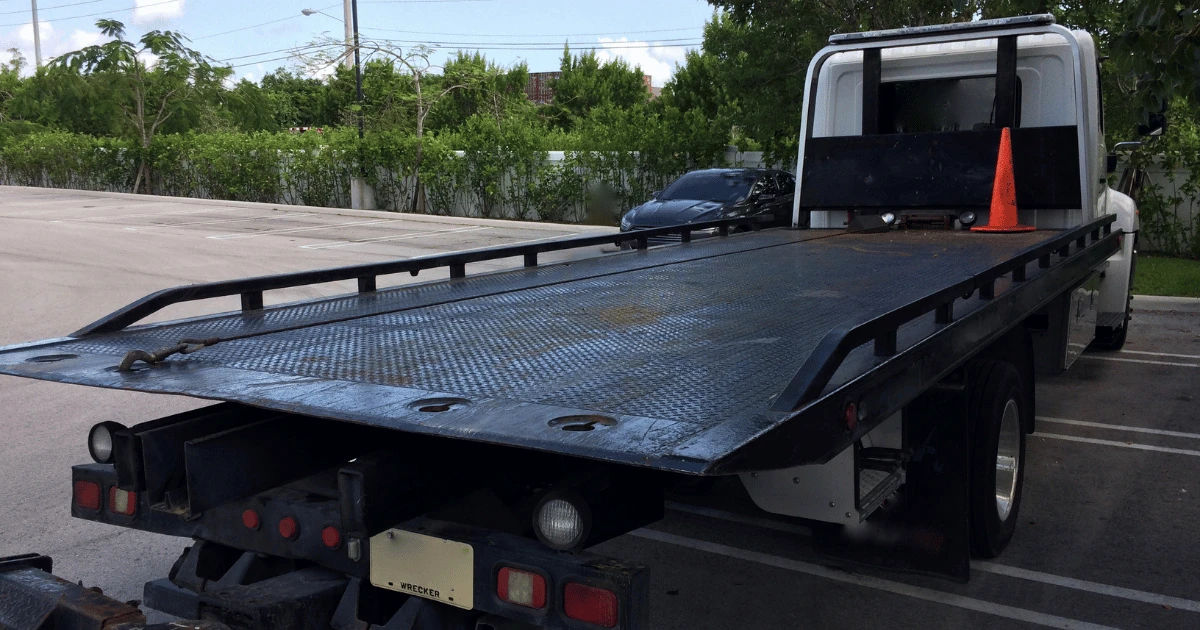
Wrecking businesses generally deal with vehicles in many conditions, including old, damaged, unwanted, and non-running cars. For example, local operators advertise vehicle removal, dismantling, recycling, and used-part services across the Geelong area.
Understanding how the salvage process works can help you decide what to do with a damaged vehicle. It can also help you prepare the right information, compare offers, and avoid unnecessary expenses.
What Is a Salvage Vehicle?
A salvage vehicle is generally a car that has been damaged or affected by circumstances that make normal repair or resale difficult. The damage could come from a collision, fire, flood, hail, mechanical failure, or long-term neglect.
Not every salvage vehicle is completely worthless. A car may be badly damaged on one side while its engine, transmission, wheels, interior components, or electronic parts remain usable.
This is one reason wreckers are interested in damaged vehicles. Instead of treating the entire car as waste, they can assess individual components and determine which items can be reused or recycled.
The final value depends on several factors, including the vehicle's make, model, age, condition, demand for its parts, and the amount of recoverable material.
How Can Geelong Wreckers Help With Salvage Vehicles?
The main role of a wrecker is to give an unwanted or damaged vehicle another possible use. Rather than sending every vehicle directly to a landfill or leaving it unused on private property, a professional wrecker can dismantle it and recover useful components.
Local businesses such as Grant's Auto Dismantlers and Geelong wreckers advertise used parts, vehicle removals, and services for damaged and unwanted cars. Their listed parts include engines, radiators, gearboxes, panels, lights, wheels, driveshafts, and other components.
Similarly, Portside Auto Wreckers states that it specialises in wrecking vehicles of different makes and models while recovering usable parts for customers.
This means a salvage vehicle can potentially be useful even when repairing the complete car does not make financial sense.
What Happens When You Contact a Wrecker?
The process is usually straightforward, although individual businesses can have different requirements.
Vehicle Assessment
The first stage is normally an assessment. The wrecker may ask for the vehicle's make, model, year, registration status, location, condition, and damage.
Photos may also help the business understand the vehicle's condition before arranging collection.
Be honest when describing the car. If the vehicle has major accident damage, a missing component, severe rust, or mechanical problems, mention these details.
Accurate information can make the quotation and collection process smoother.
Price or Salvage Offer
After reviewing the information, the wrecker may provide an offer.
A salvage vehicle is not valued only according to its appearance. A damaged vehicle may still contain valuable components, so the assessment can consider the potential value of those parts and recyclable materials.
The offer may therefore differ significantly from the amount you might expect from selling a functioning used car.
Vehicle Collection
If you accept the offer, the business may arrange vehicle removal.
Some local wreckers advertise removal services for damaged, unwanted, and non-running vehicles. Grant's Auto Dismantlers, for example, says it provides vehicle removals throughout Geelong and collects old, damaged, unregistered, and unwanted vehicles.
Collection can be especially useful when the vehicle cannot be safely driven.
Before agreeing, confirm whether towing or removal is included in the quoted amount. Different businesses have different policies.
Which Parts of a Salvage Vehicle Can Be Reused?
One of the biggest advantages of professional vehicle dismantling is that a damaged car can contain many components that are still useful.
Potentially reusable items can include engines, transmissions, alternators, starter motors, radiators, wheels, tyres, doors, mirrors, lights, panels, seats, and interior components.
The actual condition of each part matters.
For example, a car involved in a front-end collision may have damaged headlights and a crushed bonnet but still have a usable rear door, transmission, wheels, or interior.
A vehicle with engine failure may still contain valuable body panels and electrical components.
Local Geelong parts businesses list a wide range of used components, including motors, cylinder heads, transmissions, doors, guards, mirrors, radiators, tailgates, steering components, driveshafts, differentials, alternators, and lights.
Can Salvage Vehicles Be Repaired Instead?
Sometimes a damaged vehicle can be repaired, but this depends on the severity and type of damage.
A repair decision should consider more than the cost of replacement panels. You also need to consider labour, mechanical work, electrical repairs, safety systems, paintwork, towing, inspections, and any applicable legal requirements.
If repair costs are close to or greater than the vehicle's realistic value, selling it for salvage may be more practical.
However, a vehicle that appears badly damaged may sometimes be worth repairing. Getting an assessment from a qualified mechanic or repair professional can help you understand the situation.
Do not assume that every damaged vehicle should automatically be scrapped.
How Do Wreckers Determine Salvage Value?
Several factors can affect the value of a salvage vehicle.
Make and Model
Popular vehicles often have stronger demand for replacement parts.
A common model may have more buyers looking for affordable used components, which can increase the potential value of a suitable donor vehicle.
Vehicle Age
Age can work in different ways.
An older vehicle may have lower overall market value, but its parts can still be useful. In some cases, difficult-to-find components for older models can attract interest.
Mechanical Condition
A damaged body does not necessarily mean that the engine or transmission is unusable.
If major mechanical components remain in good condition, they may contribute to the vehicle's salvage value.
Extent of Damage
A vehicle with limited damage may be worth more than one that has suffered extensive structural or mechanical damage.
Flood or fire damage can also affect which components are suitable for reuse.
Demand for Parts
Ultimately, salvage value is influenced by whether usable parts are wanted.
Wreckers have to consider the potential resale value of recovered components as well as the cost of dismantling, storing, testing, and selling them.
Can You Sell a Non-Running Salvage Vehicle?
In many cases, yes.
Some Geelong wrecking businesses advertise buying vehicles regardless of whether they are running.
A non-running car may still have value because it contains recoverable components and recyclable materials.
However, you should explain that the vehicle does not run when requesting a quote. This helps the business determine the appropriate collection method and potential offer.
A non-running vehicle may require towing or specialised loading, so confirming the removal arrangements before collection is important.
What Documents May Be Needed?
The paperwork required can depend on the vehicle and the business.
You should be prepared to provide information that establishes your ownership and identifies the vehicle. Registration information, identification, ownership documents, or other relevant paperwork may be requested.
If the vehicle is jointly owned, financed, inherited, or involved in an insurance claim, additional requirements may apply.
Do not hand over a vehicle without understanding what documentation is being completed and what happens to the registration or plates.
For complicated ownership situations, check the current Victorian requirements before finalising the sale.
What About Written-Off Vehicles?
Written-off vehicles require extra care.
A vehicle may be classified as a total loss by an insurer when repairing it is considered uneconomical or when it meets particular damage criteria. The rules surrounding written-off vehicles, registration, inspections, and whether a vehicle can return to the road can be different from ordinary salvage vehicles.
If your vehicle has been declared a write-off, do not assume that it can simply be repaired and registered again.
Ask the relevant Victorian authority or your insurer about the vehicle's status and what restrictions apply.
A wrecker can still potentially be interested in the vehicle for parts or recycling, but the legal status of the vehicle should be understood before you make arrangements.
Is Salvaging Better Than Leaving the Vehicle Unused?
Leaving a damaged vehicle sitting on private property can create several problems.
It occupies valuable space, can deteriorate further, and may become increasingly difficult to sell. An unused vehicle can also lose additional value as components age or become exposed to weather.
Professional dismantling provides an alternative.
Instead of allowing the vehicle to remain unused, a wrecker can potentially recover components and recyclable materials.
This approach also supports the used-parts market. Buyers can sometimes purchase suitable second-hand parts instead of buying new components.
Environmental Benefits of Vehicle Salvage
Vehicle salvage is not only about money.
A large portion of an automobile can potentially be recovered, reused, or recycled. Reusing parts reduces the need to manufacture replacement components, while recycling metals can help keep useful materials in circulation.
Professional wreckers also have to deal with materials such as oils, coolants, batteries, tyres, and other automotive components responsibly.
Local operators promote recycling and the recovery of used vehicle parts as part of their services.
The environmental benefit depends on proper handling. That is why choosing an established and responsible business is important.
How to Choose the Right Wrecker
Not every business provides exactly the same service, so compare your options carefully.
Look for a company that clearly explains its vehicle purchasing, removal, dismantling, and recycling services.
Ask whether the quote includes towing.
Ask how the vehicle will be collected.
Confirm what paperwork you need.
Find out whether payment arrangements are explained before collection.
You can also compare more than one quotation. A second or third offer can give you a better understanding of what your salvage vehicle may be worth.
For example, Geelong has several businesses listed as auto wreckers, including Cash 4 Cars Geelong, Garden City Auto Wreckers, and All Geelong Car Removals. These listings can help demonstrate the range of local options, although you should contact individual businesses to confirm their current services and terms.
Questions to Ask Before Accepting an Offer
Before handing over your vehicle, ask a few simple questions.
Is the quoted amount final?
Is vehicle removal included?
Are there any towing charges?
What documents are required?
How will payment be made?
What happens to the registration?
Will the vehicle be dismantled for parts or recycled?
Are there any conditions attached to the offer?
Clear answers can prevent misunderstandings.
You should also keep records of the agreement, particularly if the vehicle has significant value or complicated ownership circumstances.
When Is a Wrecker a Good Option?
A wrecker may be worth considering when the vehicle is severely damaged, does not run, is too expensive to repair, is unwanted, or has reached the end of its useful life.
It can also make sense when you want to avoid the time involved in advertising a damaged vehicle privately.
A private buyer may be interested in repairing the vehicle, but finding that buyer can take time. A wrecker already works with damaged and unwanted vehicles, making the process potentially simpler.
The right decision depends on the vehicle's condition and your financial circumstances.
Common Mistakes to Avoid
One common mistake is accepting the first offer without comparison.
Another is failing to disclose important damage. A quotation based on incomplete information may change when the vehicle is inspected.
You should also avoid assuming that every wrecker offers free removal. Some businesses advertise free collection, while individual circumstances can affect towing arrangements. For example, one Victorian service notes that difficult or obstructed towing situations may involve a charge that is quoted beforehand.
Finally, do not ignore paperwork. Make sure the vehicle's ownership and registration situation is handled correctly.
Conclusion
So, can geelong wreckers help with salvage vehicles? In many situations, absolutely. A damaged or non-running vehicle may still have value through reusable parts, recyclable metals, and other recoverable components.
The key is to understand that salvage value is different from normal second-hand car value. A wrecker is usually considering what can realistically be recovered from the vehicle rather than simply looking at its appearance.
If your vehicle has been involved in an accident, suffered serious mechanical problems, or is simply no longer useful, obtaining a salvage assessment can be a practical first step. Local operators advertise services ranging from vehicle removal and cash purchases to dismantling and used-part sales.
Take time to compare offers, explain the vehicle's condition honestly, confirm collection costs, and make sure your paperwork is in order. If the car is repairable, compare the likely repair cost with its current value before deciding. If repairs are no longer economical, professional salvage and recycling may provide a simpler alternative.
Most importantly, a damaged vehicle should not automatically be considered worthless. Even when a car can no longer return to the road, many of its components and materials may still serve a useful purpose. That is where geelong wreckers can provide an important service by helping owners dispose of unwanted vehicles while recovering usable resources.
For anyone dealing with a salvage vehicle, the best approach is to gather accurate vehicle details, request a clear quotation, understand the removal process, and choose a reputable local operator. With the right information, turning an unwanted damaged car into a practical salvage transaction can be much easier than it first appears.
