
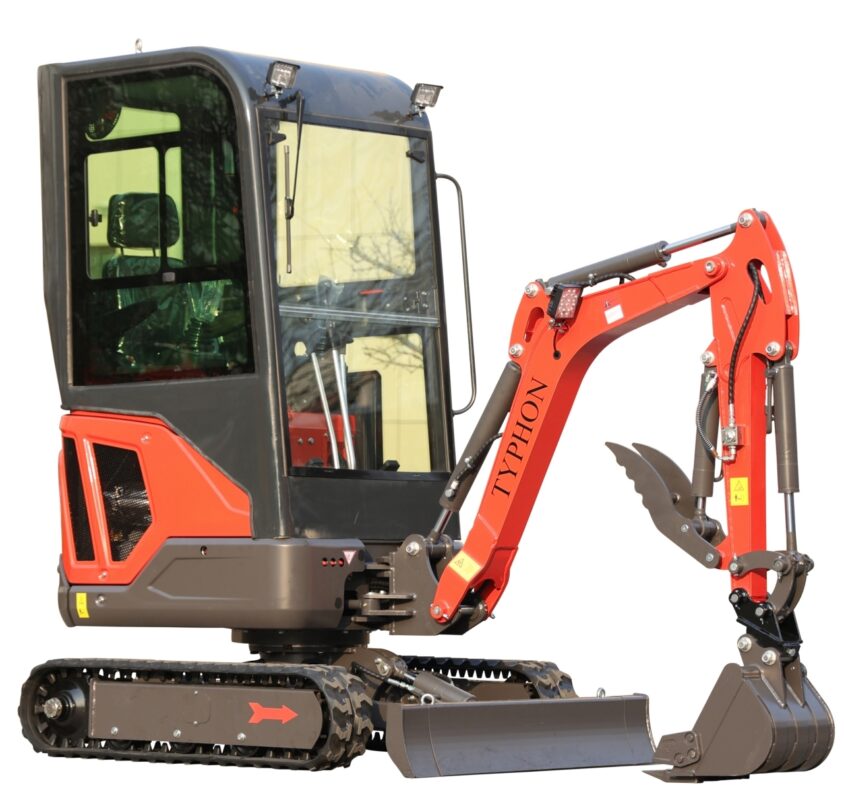
The agricultural industry is at the heart of planetary food production, but modern font land is increasingly dependant on high-tech machinery. The of agricultural machinery has importantly changed land practices, improving productivity, , and sustainability. However, this progress is not without its challenges. From coming together the demands of a development worldwide population to addressing environmental concerns, agricultural machinery developers are navigating a landscape painting occupied with both obstacles and opportunities machinery online.
Challenges in Agricultural Machinery Development
One of the primary challenges facing the of agricultural machinery is the need for high public presentation under different and often thought-provoking sphere conditions. Farmers in different parts of the earth deal with varied soil types, climate conditions, and terrain. A machine that works well in one location may be toothless in another, requiring machinery developers to make varied, elastic machines. This diversity complicates the plan and manufacturing work and demands considerable design to see to it that cultivation equipment meets the particular needs of farmers intercontinental.
Another John Major challenge is the cost of advanced cultivation machinery. While modern font machines volunteer increased , they come with a hefty damage tag. Small-scale farmers, especially in development countries, often struggle to yield the latest equipment, which limits their ability to maximize productivity. While mechanization can reduce the tug associated with land, the direct investment in machinery stiff a significant barrier. Additionally, the on-going costs of sustainment, repairs, and fuel using up can be heavy.
Sustainability is another considerable touch on. Agricultural machinery development must coordinate with the ontogeny push for environmentally amicable land practices. Traditional cultivation often relies on dodo fuels, contributing to greenhouse gas emissions and situation degradation. As concerns about mood transfer and soil wellness escalate, the need for machines that tighten emissions, water, and understate soil crunch is more and more epoch-making. Designers must balance field advancements with situation responsibleness, a hard task that involves incorporating sustainable materials and developing energy-efficient systems.
Innovations in Agricultural Machinery Development
Despite these challenges, the agricultural machinery sector has seen singular innovations that address both present and rising issues. One of the most leading light advancements is the rise of automation and preciseness farming. GPS engineering science, remote sensing, and machine learnedness have enabled the existence of self-driving tractors, harvesters, and planters that can run autonomously. These innovations allow farmers to optimise arena operations, reduce run off, and increase yield while minimizing the need for manual labor.
The integrating of unlifelike word(AI) and data analytics into agricultural machinery has also revolutionized farm direction. These technologies enable farmers to take in and psychoanalyse vast amounts of data on soil conditions, crop wellness, and weather patterns. By using this data, machines can make real-time decisions, adjusting trading operations to optimise performance. For example, AI-driven tractors can adjust planting and seed spacing supported on soil conditions, ensuant in higher crop yields and better imagination management.
Electric and loan-blend-powered machinery is another discovery in the manufacture. These machines are designed to reduce the trust on fogy fuels, lour emissions, and minify fuel costs for farmers. Companies are investment in stamp battery engineering and fuel cell systems to make electric automobile versions of orthodox farm like tractors and combines. While still in the early stages of borrowing, these technologies offer substantial prognosticate in reducing the carbon paper footprint of agriculture.
Finally, advancements in robotics are beginning to take root in cultivation machinery. Robots equipped with sensors and cameras can now perform tasks such as weeding, pruning, and harvest home. These machines not only tighten the push burden but also more finespun, targeted interventions that tighten pesticide use and downplay situation harm.
Conclusion
The of agricultural machinery faces many challenges, from adapting to diverse farming conditions to addressing environmental concerns and affordability. However, innovations in automation, precision farming, electric world power, and robotics are pavement the way for a more property and efficient futurity. As engineering science continues to evolve, the agricultural machinery sector will play a material role in coming together the demands of a ontogeny planetary universe while minimizing its situation impact.
