
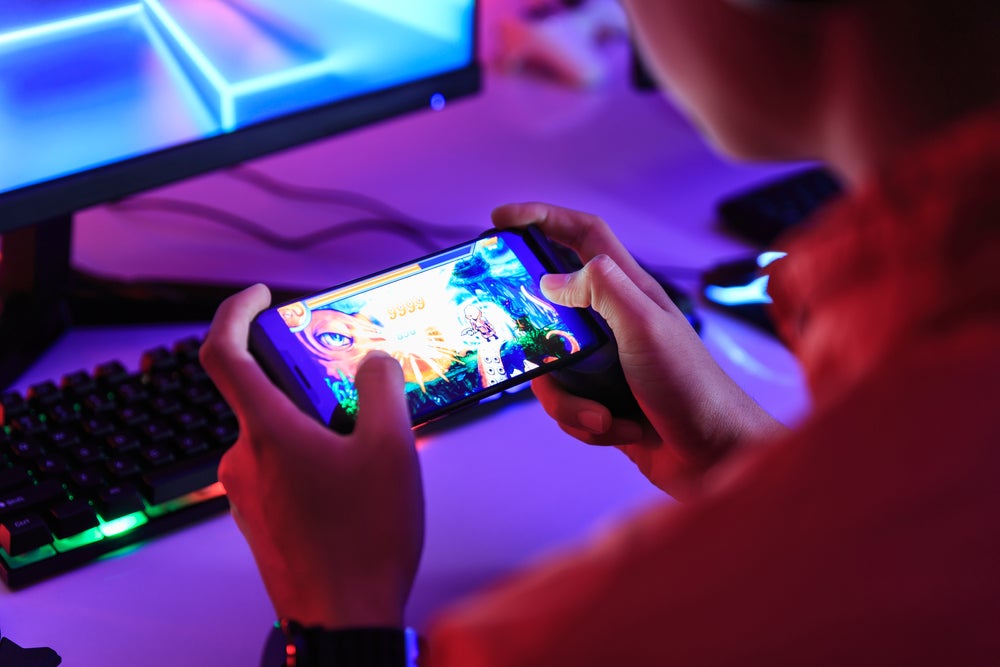
The phylogenesis of online gambling communities is a entrancing saga that mirrors the fast advances in applied science and changing mixer kinetics. From the humble beginnings of topical anaestheti area web(LAN) parties in basements and dorm rooms to today s immersive cloud gambling platforms available worldwide, the journey of online gaming communities reflects not only technical get on but also the relentless human being desire for connection and competition. This article explores the branch of knowledge milestones and taste shifts that have formed the spirited online gambling ecosystems we enjoy now.
The Birth of Gaming Communities: LAN Parties and Early Multiplayer
In the 1990s and early on 2000s, before general net handiness, gamers gathered physically to their computers or consoles via LAN cables. These LAN parties were the innovation of mixer multiplayer gaming, fostering pure competitor and comradeliness. Games like Quake, Counter-Strike, and Warcraft III thrived in this environment, where low rotational latency and point connections ensured smoothen gameplay.
The meaning of LAN parties stretched beyond gameplay; they were mixer events where players distributed strategies, made friends, and shapely communities. However, their geographic restriction meant that players were often restrained to local anesthetic groups.
The Rise of Online Multiplayer: Breaking Geographical Barriers
The expansion of the internet in the early 2000s revolutionized gaming communities. Broadband connections allowed players to vie with others around the earthly concern, marker the rise of online multiplayer play. Platforms such as Xbox Live and Steam emerged, providing incorporate networks where players could join friends or strangers in real-time matches.
Massively Multiplayer Online Role-Playing Games(MMORPGs) like World of Warcraft overhead railway community interactions to unexampled levels. These games parented intricate sociable networks, guilds, and in-game economies, all mediated through relentless online worlds. Forums, sound chat applications like TeamSpeak and later Discord, and streaming services helped deepen connections beyond the game itself.
Social and Competitive Gaming: Esports and Streaming
The late 2000s and 2010s saw online gambling communities spread out into the realms of esports and live streaming, steam-powered by faster net and intellectual broadcasting engineering science. Competitive play tournaments for titles like League of Legends, Dota 2, and Overwatch attracted millions of viewing audience world-wide, transforming gambling from a recess hobby into a world-wide spectacle.
Streaming platforms such as Twitch and YouTube Gaming allowed players to propagate their gameplay, building followings and communities centralised around personalities rather than just games. This slew blurred the lines between players and spectators, creating dynamic online communities with various participation modes.
Technological Innovations: From Dedicated Servers to Cloud Gaming
Behind the scenes, subject field innovations have continually reshaped online play infrastructure. Early online games relied on devoted servers, often operated by game companies or communities. However, managing and grading these servers posed challenges as player bases grew.
Cloud computer science and virtualization technologies introduced new possibilities. Cloud gaming platforms like Google Stadia, NVIDIA GeForce Now, and Xbox Cloud Gaming purchase right remote servers to run games, streaming video output to players . This applied science reduces the need for dear ironware on the participant s end and offers smooth updates and -device play.
The implications for online communities are substantial. Cloud pakgames enables moment get at to vast game libraries and lowers entry barriers, fosterage more different and world-wide communities. Moreover, it supports features like -platform play, bringing together players on consoles, PCs, and Mobile .
The Future: Immersive Worlds and Beyond
Looking out front, online play communities are collected to develop further with the desegregation of future technologies such as realistic world(VR), augmented reality(AR), and 5G networks. These innovations promise more immersive, socially rich experiences where players interact in communicative virtual worlds with philosophical doctrine avatars and real-time voice and gesture communication.
Artificial tidings may also heighten matchmaking, moderation, and personal , ensuring safer and more piquant communities. As the lines between gaming, mixer networking, and entertainment uphold to blur, the branch of knowledge journey that began with LAN parties will lead to increasingly interrelated, diverse, and vibrant online gaming ecosystems.
Conclusion
From the suggest, wire-linked LAN parties of the past to the expansive, cloud up-powered world platforms of now, online play communities have undergone a extraordinary transformation. This journey highlights not only bailiwick come on but also the enduring man need for connection, quislingism, and challenger. As technology advances, online play communities will bear on to introduce and spread out, shaping the future of digital interaction for generations to come.
