
A pondless waterfall Long Island NY is one of the most popular landscape water features for homeowners who want the sound of running water without the maintenance of a full pond.
A pondless waterfall Long Island NY is especially interesting in cold regions because winter brings freezing temperatures, snow, and ice challenges.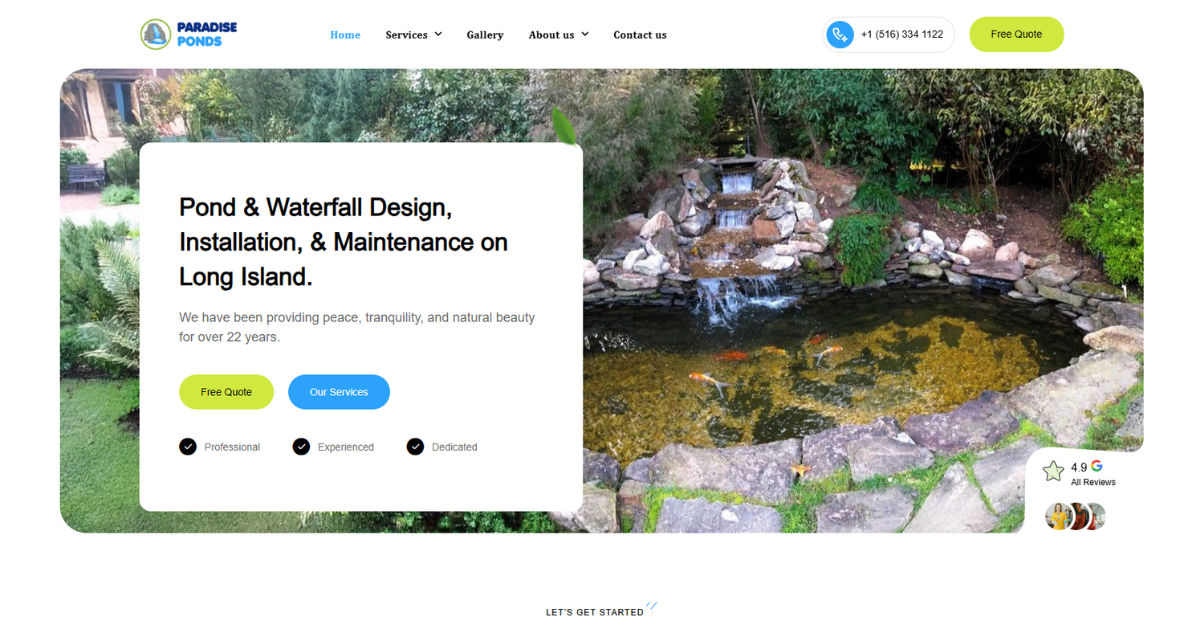
Many homeowners wonder how a pondless waterfall Long Island NY can survive harsh seasonal changes and still work properly year after year.
Unlike traditional ponds, a pondless waterfall Long Island NY hides its water reservoir underground, which already gives it an advantage during freezing weather.
Still, winter preparation is important to protect the pump, rocks, and water flow system. A pondless waterfall Long Island NY can continue to function in winter if designed and maintained correctly, but it can also be safely shut down depending on preference.
In this guide, we will explore in detail how a pondless waterfall Long Island NY handles winter conditions, what steps homeowners should take before freezing temperatures arrive, and how professionals design systems that survive Long Island’s cold climate.
A pondless waterfall Long Island NY is not just a summer feature—it is a year-round landscape investment when properly managed.
By the end, you will understand exactly how a pondless waterfall Long Island NY performs in snow, ice, and freezing conditions, and how to keep it in top shape for many seasons.
How Winter Affects a Pondless Water Feature
A pondless waterfall Long Island NY is exposed to seasonal temperature swings that can cause water to freeze inside pipes, basins, and pump systems. When water freezes, it expands, which can damage equipment if not properly managed. That is why understanding winter impact is essential for anyone owning a pondless waterfall Long Island NY.
The biggest challenge is not the waterfall itself, but the underground reservoir. In a pondless waterfall Long Island NY, water is stored in a hidden basin filled with gravel and a pump system that circulates water back to the top. When temperatures drop below freezing, this water can become ice, especially in shallow areas.
Another issue is ice formation on rocks. A pondless waterfall Long Island NY often has stacked stone features where water flows continuously. In winter, this flowing water can freeze mid-flow, creating ice buildup that blocks circulation.
Wind chill in Long Island can also accelerate freezing. A pondless waterfall Long Island NY located in an open yard may freeze faster than one placed in a sheltered garden area.
Snow accumulation is another factor. Heavy snow can cover exposed parts of a pondless waterfall Long Island NY, making it harder for sunlight to naturally thaw the system.
However, with proper planning and winterization, these challenges can be managed effectively. Many homeowners choose to either shut down or partially operate their pondless waterfall Long Island NY during winter depending on design strength and personal preference.
Winter Preparation and Seasonal Shutdown Process
Preparing a pondless waterfall Long Island NY for winter is one of the most important maintenance steps of the year. Most homeowners in colder regions choose to shut down their systems before deep freezing begins.
The first step in winter preparation for a pondless waterfall Long Island NY is turning off the pump. Running water in freezing temperatures increases the risk of ice blockage and pump damage. Once the pump is off, water is drained from exposed tubing.
Next, the pump is usually removed and stored indoors. A pondless waterfall Long Island NY relies heavily on its pump, so protecting it ensures long-term durability. Storing it in a dry, warm place prevents internal cracking.
Blowing out the water lines is another essential step. Air is used to clear remaining water from pipes in a pondless waterfall Long Island NY system. This prevents ice expansion damage during cold nights.
Some homeowners also cover the waterfall structure with protective materials. A pondless waterfall Long Island NY can be covered with breathable fabric or landscape-safe covers to reduce snow and ice buildup.
In professional installations, drainage design plays a big role. A well-built pondless waterfall Long Island NY often includes deep reservoirs that reduce freezing risk compared to shallow systems.
Even after shutdown, the landscape around a pondless waterfall Long Island NY still benefits visually from stonework and structure, even without flowing water.
Pump Protection and Equipment Care in Freezing Conditions
The pump is the heart of a pondless waterfall Long Island NY, and protecting it during winter is essential. Without proper care, freezing temperatures can permanently damage the pump system.
When winter approaches, homeowners usually remove the pump from their pondless waterfall Long Island NY and clean it thoroughly. Dirt, algae, and debris are removed to prevent clogging and corrosion during storage.
After cleaning, the pump is dried completely. Any remaining water inside a pondless waterfall Long Island NY pump can freeze and crack internal components. That is why drying is a critical step.
Storage location matters as well. A garage or basement is ideal for keeping a pondless waterfall Long Island NY pump safe during winter months. It should never be left outside exposed to freezing temperatures.
Electrical connections are also checked before shutdown. A pondless waterfall Long Island NY system often includes wiring that must be disconnected safely to prevent moisture damage.
Some advanced systems use frost-resistant components. In these cases, a pondless waterfall Long Island NY may be partially operational during mild winter days, but full freezing conditions still require caution.
Regular inspection before reinstallation in spring ensures that the pondless waterfall Long Island NY pump remains in good condition and ready for use.
Ice Formation, Snow Cover, and Natural Winter Behavior
A pondless waterfall Long Island NY behaves differently in winter depending on temperature fluctuations. One of the most visible changes is ice formation on rocks and edges.
When water trickles over stone, it can freeze into beautiful ice patterns. A pondless waterfall Long Island NY often becomes a natural ice sculpture during cold spells, even when shut down partially.
Snow accumulation also changes the appearance of a pondless waterfall Long Island NY. Snow can settle between rocks and around the basin area, creating a soft, natural look in the landscape.
However, too much ice buildup can block drainage paths. A pondless waterfall Long Island NY must be designed with proper slope and flow direction to prevent water from pooling and freezing in unwanted areas.
During freeze-thaw cycles, ice may melt during the day and refreeze at night. A pondless waterfall Long Island NY experiences this repeatedly throughout winter in Long Island, which can stress materials if not properly installed.
Stone selection also matters. A pondless waterfall Long Island NY built with durable natural stone handles winter expansion and contraction better than low-quality materials.
Even when not flowing, a pondless waterfall Long Island NY still enhances outdoor aesthetics during winter months, blending naturally with snow-covered landscapes.
Design Features That Help a Pondless Waterfall Survive Winter
A well-designed pondless waterfall Long Island NY is built with winter conditions in mind from the beginning. Proper engineering makes a huge difference in durability and performance.
One key feature is deep underground reservoir placement. A pondless waterfall Long Island NY with a deeper basin is less likely to freeze completely because ground insulation helps regulate temperature.
Another important design factor is proper drainage. A pondless waterfall Long Island NY should allow water to flow completely out of exposed areas when shut down.
Insulated tubing is also commonly used. A pondless waterfall Long Island NY with insulated pipes reduces the risk of freezing during sudden temperature drops.
Rock placement and grading are carefully planned. A pondless waterfall Long Island NY designed with smooth water flow paths prevents water from collecting in shallow pockets.
Some modern systems include automatic timers and freeze sensors. A pondless waterfall Long Island NY with smart controls can shut down automatically when temperatures approach freezing.
Landscaping also plays a role. A pondless waterfall Long Island NY surrounded by shrubs or windbreaks is naturally more protected from harsh winter winds.
These design strategies ensure that a pondless waterfall Long Island NY remains safe and functional for many years, even in challenging climates.
Maintenance Tips During Winter Months
Even after shutdown, a pondless waterfall Long Island NY still requires occasional winter maintenance checks. These checks ensure that no damage occurs during long cold periods.
Homeowners should inspect the surrounding area of a pondless waterfall Long Island NY for ice buildup or shifting stones. Freeze-thaw cycles can sometimes move small rocks.
If partial operation is maintained, flow should be monitored carefully. A pondless waterfall Long Island NY running in cold weather must be watched for ice blockages.
Clearing snow buildup is also important. A pondless waterfall Long Island NY covered in heavy snow may experience pressure on stone structures if not cleared carefully.
Drainage paths should remain unobstructed. A pondless waterfall Long Island NY depends on proper water movement even when inactive.
Checking covers or protective materials is another step. A pondless waterfall Long Island NY protected with winter covers should remain sealed but ventilated.
Even though winter maintenance is minimal, these small actions help extend the life of a pondless waterfall Long Island NY and ensure smooth reactivation in spring.
Spring Restart After Winter Shutdown
When winter ends, restarting a pondless waterfall Long Island NY requires careful reassembly. The transition from freezing conditions to active flow must be done step by step.
First, the pump is reinstalled into the reservoir of the pondless waterfall Long Island NY. It is checked for any damage or wear during storage.
Next, tubing and connections are reattached. A pondless waterfall Long Island NY system must be inspected for cracks or leaks before water flow begins.
Once everything is connected, the system is filled with clean water. A pondless waterfall Long Island NY should be tested at low flow before full operation begins.
Stonework is also inspected for winter shifting. A pondless waterfall Long Island NY may require minor adjustments to restore proper water direction.
After testing, the waterfall is gradually returned to normal operation. A pondless waterfall Long Island NY usually runs smoothly if winter preparation was done correctly.
Spring is also a good time for upgrades or cleaning. A pondless waterfall Long Island NY can be refreshed with new rocks, plants, or design improvements.
Conclusion: Long-Term Winter Performance and Care
A pondless waterfall Long Island NY is a durable and beautiful landscape feature that can handle winter conditions when properly designed and maintained. While freezing temperatures, snow, and ice can create challenges, careful preparation ensures long-term performance.
Winter shutdown, pump protection, drainage care, and smart design all contribute to the success of a pondless waterfall Long Island NY. Even though the system is often inactive during the coldest months, it still enhances outdoor aesthetics and returns to full function in spring.
Homeowners in Long Island benefit from choosing a system built for seasonal changes. A well-planned pondless waterfall Long Island NY not only survives winter but continues to add value and beauty year after year.
With proper care, a pondless waterfall Long Island NY becomes a reliable, low-maintenance water feature that fits perfectly into the region’s changing climate.
