
In today’s digital world, verification codes have become a normal part of signing up for apps, websites, and online services.
One of the most commonly discussed systems is sim online, which allows users to receive SMS messages without using a physical SIM card in a phone. Many people use sim online services specifically for receiving OTP (One-Time Password) messages during registration processes.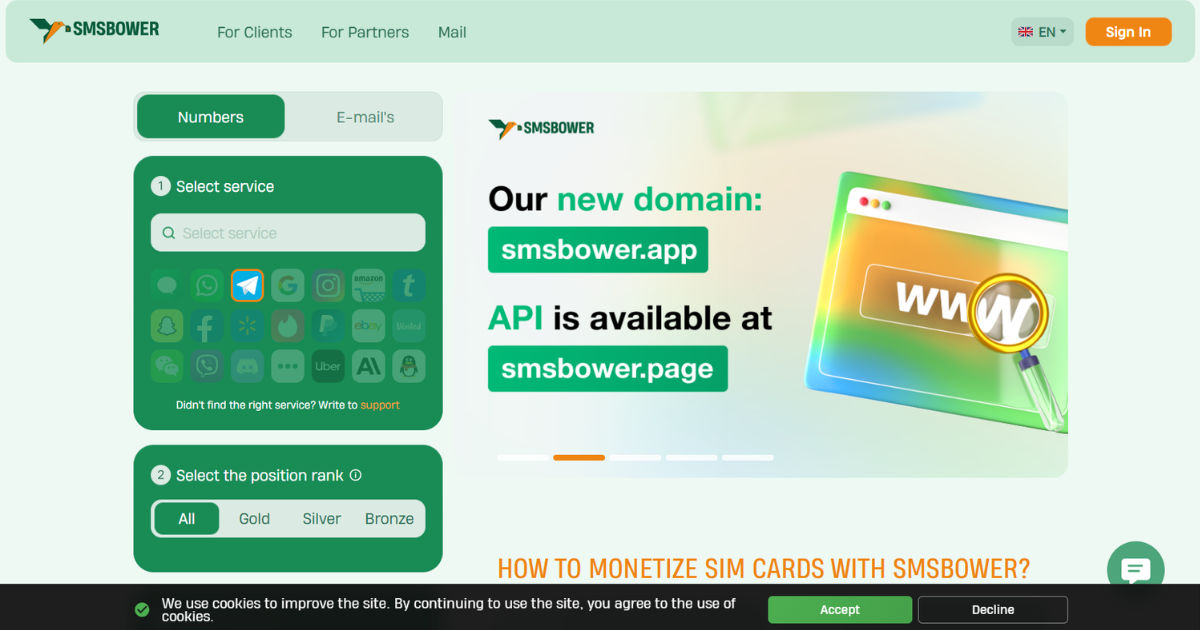
The idea behind sim online is simple but powerful: instead of inserting a physical SIM into a mobile device, users can access a virtual number through an online platform.
This number can receive SMS messages, including OTP codes sent by websites or apps. Because of this, sim online has become widely searched by users who want quick access to verification codes without needing a physical phone number.
However, very few people actually understand how sim online works behind the scenes. It is not magic—it is based on telecom infrastructure, SMS routing systems, cloud servers, and number virtualization technologies.
In this detailed guide, we will explore exactly how sim online receives SMS messages for OTP verification, how the system functions technically, and what happens from the moment a message is sent until it appears on a user’s screen.
Throughout this article, the term sim online will be used frequently to help you understand its role in each stage of the process. By the end, you will have a complete understanding of how sim online systems operate, their benefits, limitations, and security concerns.
What is Sim Online?
sim online refers to a virtual mobile number system that operates through the internet instead of a physical SIM card. These services provide users with temporary or permanent phone numbers that can receive SMS messages online.
Unlike traditional SIM cards that require a mobile device and a network connection from a telecom operator, sim online works through cloud-based systems connected to SMS gateways. These gateways communicate with mobile networks to receive messages and forward them to an online dashboard.
In simple terms, sim online acts like a digital version of a mobile SIM card. It does not physically exist in your phone but still behaves like one when it comes to receiving messages.
Many people use sim online for:
- Receiving OTP verification codes
- Signing up for apps and websites
- Testing software or apps
- Protecting personal phone numbers
The system behind sim online is built using virtual number providers who rent or manage real phone numbers connected to telecom networks.
Basic Concept of OTP and Why It Matters
Before understanding how sim online works in detail, it is important to understand OTP systems.
An OTP (One-Time Password) is a unique code sent to a user’s phone number or email during login or registration. It is used for:
- Identity verification
- Account security
- Preventing unauthorized access
When a user enters their number, the system sends an OTP through SMS. This is where sim online becomes relevant. Instead of using a physical SIM, users can use sim online numbers to receive these OTPs.
How Sim Online Receives SMS Messages
The core function of sim online is receiving SMS messages from mobile networks. This process involves several technical steps that happen within seconds.
When an SMS is sent to a virtual number, it follows this path:
- The sender’s system (like a website) generates an OTP
- The message is sent through an SMS gateway
- The telecom operator routes the message
- The virtual number provider receives the SMS
- The sim online platform displays the message in a user dashboard
Each sim online service is connected to telecom networks either directly or through third-party SMS aggregators.
Technical Infrastructure Behind Sim Online
To understand sim online deeply, we need to look at the technical structure.
1. Virtual Number Allocation
Every sim online service owns or rents a pool of real phone numbers. These numbers are assigned to users temporarily or permanently.
2. SMS Gateway Integration
The SMS gateway is the heart of sim online systems. It acts as a bridge between telecom operators and online platforms.
3. Cloud-Based Storage
All received messages are stored on cloud servers. When an OTP arrives, sim online systems immediately update the user dashboard.
4. API Communication
Many sim online platforms use APIs to fetch SMS data in real time. This ensures fast delivery of OTP messages.
Step-by-Step Process of OTP Reception in Sim Online
Here is a simple breakdown of how sim online receives OTP messages:
Step 1: User Requests OTP
A user enters a sim online number on a website.
Step 2: OTP Generation
The website generates a unique OTP code.
Step 3: SMS Sending
The OTP is sent through telecom SMS networks.
Step 4: Network Routing
The telecom operator routes the SMS to the virtual number provider.
Step 5: Sim Online System Receives SMS
The sim online platform captures the incoming SMS.
Step 6: Display to User
The OTP is shown on the user’s dashboard in real time.
This entire process usually takes only a few seconds.
Why Sim Online is Popular for OTP Verification
The popularity of sim online has grown rapidly due to convenience and accessibility.
Some reasons include:
- No need for physical SIM cards
- Instant access to phone numbers
- Easy OTP reception
- Useful for testing and temporary use
Many users prefer sim online because it simplifies registration processes across multiple platforms.
Types of Sim Online Services
There are different types of sim online systems available today:
1. Free Sim Online Services
These provide temporary numbers for receiving OTPs but are often shared.
2. Paid Sim Online Services
These offer private numbers with better reliability and security.
3. Temporary Sim Online Numbers
These expire after a short period of use.
4. Permanent Virtual Numbers
These can be used long-term and are more stable.
Each type of sim online has different advantages depending on user needs.
Advantages of Sim Online for OTP Receiving
Using sim online comes with several benefits:
- Fast OTP reception
- No physical SIM required
- Global accessibility
- Useful for developers and testers
- Easy setup process
Because of these benefits, sim online has become widely used in tech communities.
Limitations of Sim Online Systems
Despite its advantages, sim online also has limitations:
- Shared numbers may be unreliable
- OTP messages can sometimes be delayed
- Not all websites accept virtual numbers
- Security risks if used improperly
Users must understand these limitations before relying fully on sim online.
Security Aspects of Sim Online
Security is a major concern in sim online systems.
Since messages are stored online, there is always a risk of:
- Unauthorized access
- Data interception
- Temporary exposure of OTP codes
For this reason, secure sim online providers use encryption and secure cloud storage to protect messages.
Users should always choose trusted sim online platforms to avoid data risks.
Common Use Cases of Sim Online
The uses of sim online extend beyond OTP verification:
- App testing by developers
- Social media account creation
- Temporary registrations
- Online service verification
- Software testing environments
Many businesses also use sim online systems for automation testing.
Why OTP Delivery Sometimes Fails in Sim Online
There are cases where OTPs do not arrive in sim online systems. This can happen due to:
- Network delays
- Blocked virtual numbers
- High traffic on SMS gateways
- Expired virtual number usage
When using sim online, reliability depends heavily on the quality of the service provider.
Difference Between Physical SIM and Sim Online
A physical SIM is inserted into a mobile device, while sim online is completely virtual.
Key differences:
- Physical SIM requires hardware
- sim online works via internet
- Physical SIM is private
- sim online may be shared or temporary
Both serve similar functions but operate differently in infrastructure.
How Sim Online Maintains Real-Time SMS Delivery
One of the most important features of sim online is real-time SMS delivery.
This is achieved through:
- Continuous server monitoring
- API polling systems
- Instant database updates
- Cloud synchronization
These technologies ensure that sim online users receive OTPs instantly.
Future of Sim Online Technology
The future of sim online is closely tied to digital communication systems.
We can expect:
- More secure virtual numbers
- Faster OTP delivery systems
- AI-based SMS filtering
- Better integration with apps
As technology evolves, sim online systems will likely become more advanced and secure.
Ethical and Legal Considerations
Using sim online comes with ethical responsibilities.
While it is legal in many regions, misuse can lead to issues such as:
- Fake account creation
- Identity misuse
- Violation of platform policies
Users must ensure they use sim online responsibly and within legal boundaries.
Troubleshooting Sim Online OTP Issues
If OTPs are not received in sim online, users should:
- Check number validity
- Refresh dashboard
- Try another virtual number
- Switch providers
These simple steps often resolve common issues in sim online platforms.
Conclusion
The concept of sim online has transformed the way people receive OTP messages and verify accounts online. Instead of relying on physical SIM cards, users can now access virtual numbers through cloud-based systems that connect directly to telecom networks.
Throughout this guide, we explored how sim online works from the moment an OTP is generated to the final delivery on a user’s screen. We also discussed its infrastructure, advantages, limitations, and future possibilities.
At its core, sim online is built on SMS gateways, virtual number allocation, and real-time cloud systems that work together to deliver messages instantly. While it offers convenience and flexibility, users must also be aware of its security risks and limitations.
As digital communication continues to grow, sim online will likely become more advanced, secure, and widely adopted across different industries.
In conclusion, sim online is not just a tool for receiving OTPs—it is a modern communication bridge between traditional telecom systems and the digital world.
