
Ask any operator who runs UTV experiences at a farm stay, an orchard, or a countryside resort, and they will tell you the same thing: guests remember the ride long after they forget the meal. The popularity of agritourism UTV tours keeps climbing, and with it comes a steady stream of questions about the machines behind the experience. Below are the questions riders ask most about the big-displacement quad that anchors so many of these tours, answered in plain language.
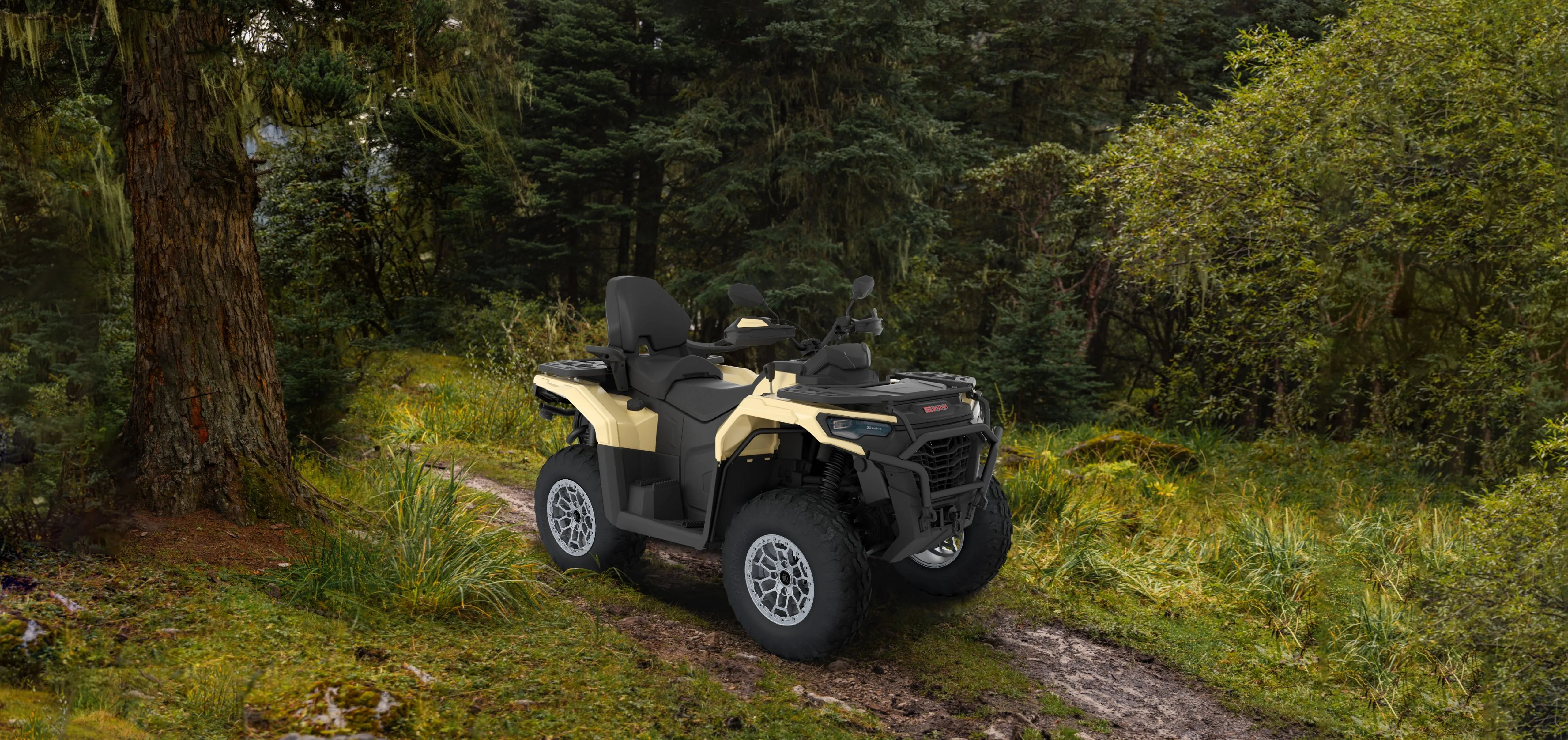 Is a 1,000-class quad too much machine for a tourism fleet? It sounds counterintuitive, but no. A well-sorted big quad actually makes the operator’s life easier. The extra displacement means the engine never has to be wrung out to move two adults and a load of gear up a gravel grade, so the drivetrain runs cooler and the machine feels more relaxed all day. On a guided tour route that includes gentle hills, packed dirt, and the occasional muddy section, a relaxed engine is a reliable engine, and reliability is the single most important quality in a fleet that runs every weekend.
How hard is it to learn for a first-time rider? This is the question every operator worries about, because most guests have never touched a quad before. Modern big-displacement machines are far more approachable than their reputation suggests. Wide, stable footprints, progressive throttle response, and forgiving suspension tuning mean a nervous first-timer can creep along at walking pace in comfort, while the same machine gives a confident rider plenty when the trail opens up. The SWM Trailhunter demonstrates exactly this split personality, which is why it shows up on so many experience-route wish lists.
What about maintenance between tour days? A tourism machine gets started, stopped, and dusty dozens of times per week, which is a harder life than most private ownership. The practical answer is that big quads built for this duty are designed with service access in mind: air filters that can be reached without removing half the bodywork, drain points that are actually drainable, and belts and clutches with honest service intervals. Operators who track their hours and stick to the schedule report that a 1,000-class machine easily survives a full season of guest duty when the basics are respected.
Can one machine really cover both tour duty and private riding? This is where the quad swm 1000 shines. An owner who buys a big quad for weekend adventures and then starts running paid tours on the same machine wants one platform that does both without compromise. The key is a chassis that stays composed at slow speeds — crawling over tree roots, idling through gateways, easing down a steep drive — while still delivering open-ground performance when the group is off the clock. Big displacement helps here too, because it provides the torque to carry a second passenger or a load of produce without complaint.
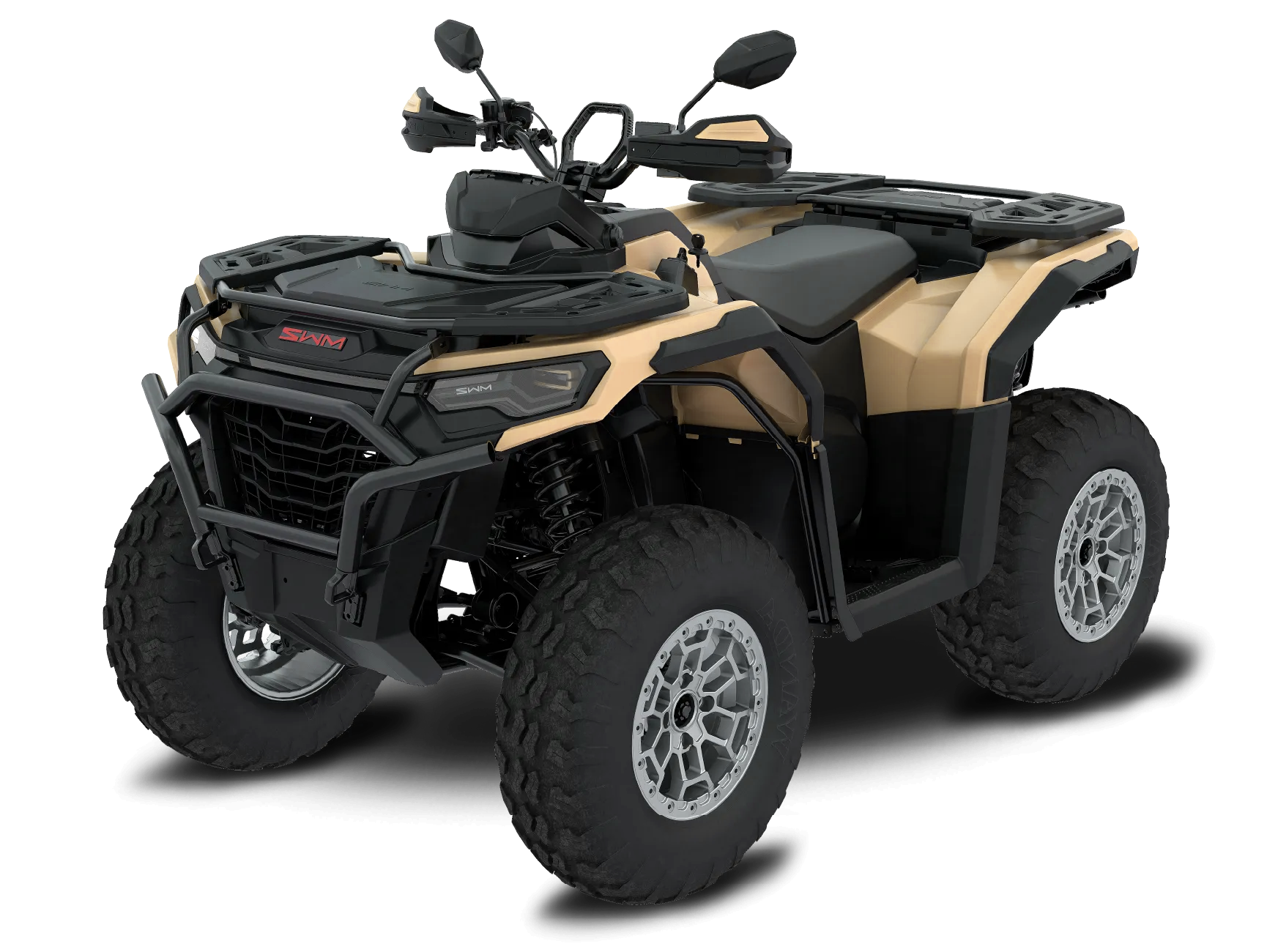 How do guests react to the noise and speed? Operators who pace their tours properly report overwhelmingly positive reactions. The secret is not the machine’s top speed — it is the way the ride feels. A big quad with good suspension glides over the same bumps that would rattle a smaller machine, and guests interpret that smoothness as safety. Most tours run at moderate speeds, with the power held in reserve for climbs and open straights, and first-timers come back grinning rather than gripping the grab bars.
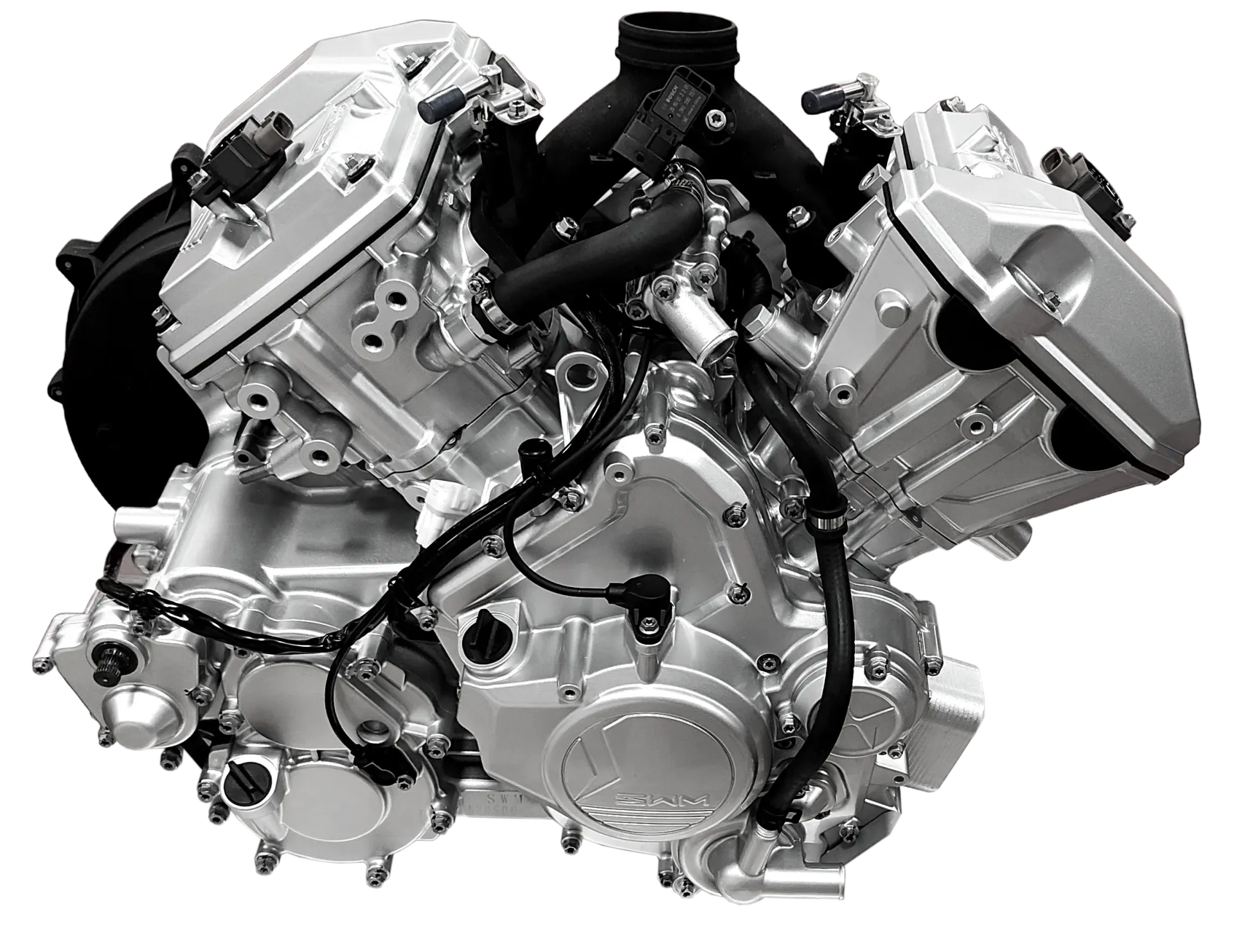
What should an operator look for when building the fleet? Beyond the machine itself, look for dealer support, parts availability, and a platform with a proven record in commercial use. The swm 1000 platform checks those boxes, with a wide service network and a drivetrain that has earned a reputation for staying together under hard daily use. For operators, the math is simple: fewer breakdowns means more tours, and more tours means happier guests and a healthier bottom line at the end of the season.
No machine can guarantee a perfect tour day, but the right one makes it far more likely. For agritourism operators and private riders alike, the big quad’s combination of comfort, capability, and durability keeps answering the questions that matter most, and the growing number of experience routes built around it suggests the answer is one more riders are happy to accept. When guests climb out of the seat at the end of a run and immediately ask where they can book another ride, the machine has done its job.
