
In modern construction, architects and builders are constantly seeking materials that combine durability, aesthetics, and cost-effectiveness.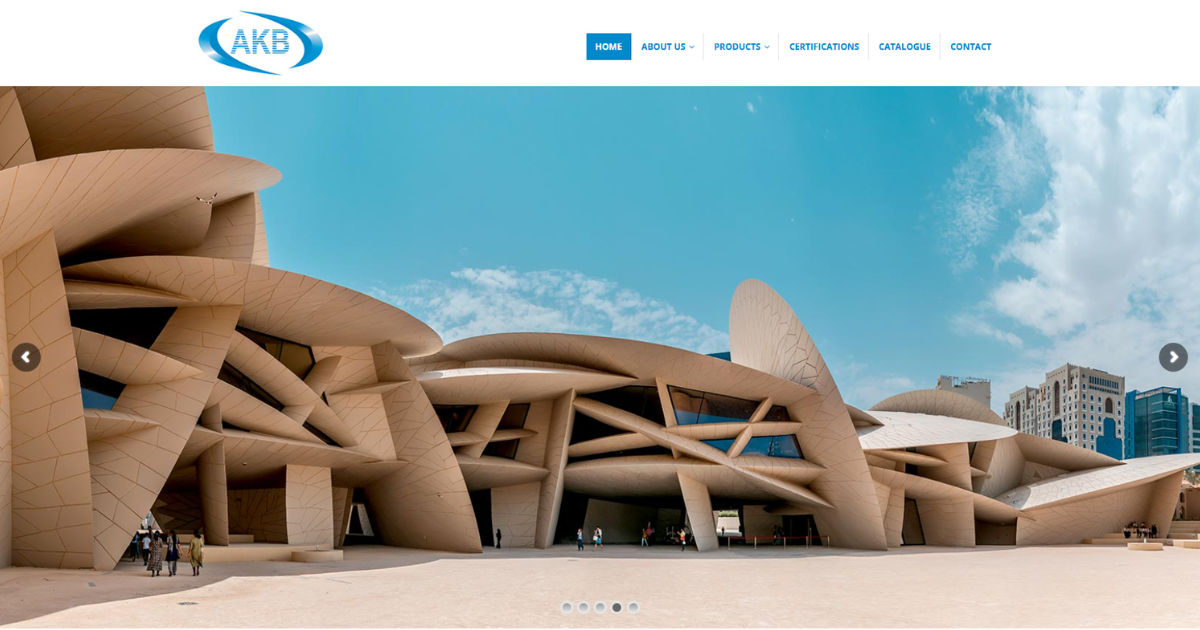
Among the materials that have gained tremendous popularity in recent years, ACP panels stand out for their versatility and performance.
Companies like Akbari Engineering have played a significant role in promoting the use of these panels, thanks to their expertise in supplying high-quality aluminum composite panels for various architectural projects.
From commercial buildings to residential structures, ACP panels are now considered a go-to solution in contemporary architecture.
This guide will explore why ACP panels are widely used in architecture, highlighting their composition, benefits, applications, installation process, and sustainability.
We will also discuss design flexibility, cost-effectiveness, and long-term maintenance to provide a complete understanding of this essential construction material.
ACP Panels
ACP, or Aluminum Composite Panels, are made of two thin layers of aluminum sandwiching a non-aluminum core. This core is often made of polyethylene or fire-resistant materials, providing strength while keeping the panels lightweight. The aluminum layers provide durability and an attractive finish, while the core ensures rigidity and insulation.
The unique composition of ACP panels allows them to achieve a balance between strength and flexibility, making them ideal for use in facades, interiors, and signage. Unlike traditional materials such as concrete or wood, ACP panels offer a lightweight yet strong alternative, which is one of the reasons they are widely adopted by architects globally.
Benefits of ACP Panels
Lightweight and Strong
One of the primary reasons ACP panels are popular is their lightweight nature combined with impressive strength. A typical ACP panel weighs much less than traditional cladding materials, reducing the structural load on buildings. Despite their lightness, these panels provide high tensile strength, making them resilient to external forces such as wind pressure and minor impacts.
Design Flexibility
ACP panels offer remarkable flexibility in design. They can be cut, bent, and shaped to fit unique architectural designs. Whether it's a curved façade, a sharp edge, or intricate patterns, ACP panels can accommodate complex shapes that would be challenging with traditional materials. This flexibility allows architects to bring their creative visions to life without compromising structural integrity.
Wide Range of Finishes
Another advantage of ACP panels is their availability in numerous finishes and colors. Panels can be coated with PVDF (Polyvinylidene Fluoride) or PE (Polyethylene) finishes to achieve glossy, matte, metallic, or textured surfaces. This versatility enables architects to create visually striking exteriors and interiors while maintaining a uniform aesthetic across large surfaces.
Durability and Weather Resistance
Durability is a critical factor in material selection for architecture. ACP panels are resistant to corrosion, UV radiation, and extreme weather conditions. This makes them suitable for both interior and exterior applications. Unlike wood or steel, ACP panels do not warp, rust, or fade easily, ensuring that buildings retain their beauty for years.
Fire Resistance
Modern ACP panels often feature fire-resistant cores that enhance safety in commercial and residential buildings. This is particularly important in high-rise construction, where building safety regulations demand materials with a low fire spread rating. Companies like Akbari Engineering ensure that their panels comply with local fire safety standards, giving builders peace of mind.
Ease of Maintenance
ACP panels are easy to clean and maintain. Their smooth surfaces allow dirt and dust to be wiped off effortlessly, reducing long-term maintenance costs. This property is especially beneficial for commercial buildings in urban areas where pollution can affect building façades.
Applications of ACP Panels in Architecture
Building Facades
The exterior façade of a building is often its most defining feature. ACP panels are widely used for cladding modern buildings because they provide a sleek, contemporary look. Architects favor ACP panels for shopping malls, offices, and hotels because they combine aesthetics with structural functionality. The panels can create patterns, gradients, and textures that enhance the building's visual appeal.
Interior Design
ACP panels are not just for exteriors. They are increasingly used in interior design to create wall claddings, false ceilings, and partitions. Their lightweight nature allows for easy installation on walls and ceilings, while the variety of finishes helps match interior décor themes. Offices, showrooms, and residential projects often use ACP panels to give spaces a modern and sophisticated look.
Signage and Branding
The advertising and signage industry also benefits from ACP panels. Their smooth, glossy surfaces make them ideal for digital and printed signage. They can be easily customized with logos, graphics, and colors, providing a durable and visually appealing medium for brand promotion.
Renovation Projects
ACP panels are a practical solution for renovation projects. Older buildings can be retrofitted with ACP panels to improve their exterior appearance without significant structural changes. This approach is cost-effective and time-saving compared to tearing down and reconstructing entire façades.
Sustainable Construction
ACP panels contribute to sustainable construction practices. Many manufacturers produce panels with recyclable aluminum, and the panels themselves improve energy efficiency by providing insulation. Using ACP panels can help reduce the building’s carbon footprint, aligning with green building certifications and sustainability goals.
Why Architects Prefer ACP Panels
Cost-Effectiveness
Despite being a premium material, ACP panels are cost-effective over the building's lifetime. Their lightweight nature reduces the structural requirements, which lowers the cost of foundations and supports. Additionally, low maintenance costs and long durability make them an economically smart choice.
Speed of Installation
ACP panels are prefabricated, meaning they are manufactured off-site and then installed on-site. This drastically reduces construction time compared to traditional materials like brick, stone, or concrete. Faster installation means shorter project timelines and lower labor costs.
Versatility in Design
The ability to bend, fold, or curve ACP panels gives architects unparalleled design freedom. This is particularly valuable in projects requiring unique, futuristic, or complex structures. The panels can mimic the appearance of natural materials like stone or wood while offering the technical benefits of aluminum.
Consistency and Quality
Unlike natural materials, which can vary in color, texture, and quality, ACP panels provide consistent performance and appearance. This uniformity is critical in large-scale projects where visual harmony across façades is essential. Companies like Akbari Engineering guarantee high-quality panels that meet architectural standards.
Installation Process of ACP Panels
The installation of ACP panels is straightforward but requires precision to ensure durability and aesthetic appeal. Here’s a step-by-step overview:
- Frame Preparation: A sub-frame, usually made of aluminum or galvanized steel, is installed on the building façade.
- Panel Measurement and Cutting: ACP panels are cut to precise sizes to fit the design specifications.
- Fixing the Panels: Panels are fixed onto the frame using mechanical fasteners, adhesives, or concealed brackets.
- Sealing and Finishing: Joints are sealed to prevent water infiltration, and finishing trims are added for aesthetics.
Proper installation ensures that ACP panels withstand environmental stresses while maintaining their visual appeal. Improper installation can lead to panel detachment or water seepage, which is why experienced suppliers like Akbari Engineering provide installation guidance and technical support.
Maintenance of ACP Panels
ACP panels are low-maintenance but still require occasional cleaning and inspection to maintain their longevity. Recommended maintenance includes:
- Regular Cleaning: Use mild detergents and water to remove dirt and pollutants.
- Inspect Joints: Check for sealant deterioration and reapply if necessary.
- Check for Damage: Examine panels for dents or scratches and repair or replace damaged sections.
Routine maintenance ensures that the panels continue to perform effectively, protecting the building’s façade and interiors from damage.
Sustainability and Environmental Benefits
Sustainability is a growing concern in modern architecture. ACP panels contribute to eco-friendly construction in several ways:
- Recyclable Material: Aluminum is highly recyclable, reducing environmental impact.
- Thermal Insulation: Panels improve energy efficiency by providing insulation, which lowers heating and cooling costs.
- Durable Life Cycle: Long-lasting panels reduce the frequency of replacements, saving resources.
Using ACP panels aligns with sustainable building practices, making them a responsible choice for environmentally conscious architects and builders.
Case Studies of ACP Panels in Architecture
Several modern buildings showcase the versatility and appeal of ACP panels:
- Commercial Complexes: Skyscrapers and shopping centers use ACP panels for sleek façades that resist weather and pollution.
- Residential Towers: High-rise apartments benefit from ACP panels’ lightweight properties, reducing load on structural frameworks.
- Public Buildings: Airports, hospitals, and educational institutions use ACP panels for both interiors and exteriors due to their durability and fire resistance.
These examples highlight why architects and construction companies consistently choose ACP panels for their projects.
Conclusion
ACP panels have transformed modern architecture by offering a combination of durability, lightweight structure, design flexibility, and aesthetic appeal. Their use extends beyond façades to interiors, signage, and renovation projects. With features such as fire resistance, low maintenance, and sustainability, ACP panels meet the demands of contemporary construction while aligning with economic and environmental considerations.
Companies like Akbari Engineering have been instrumental in promoting the adoption of ACP panels by providing high-quality materials, expert guidance, and reliable support to architects and builders. As urban landscapes continue to evolve, ACP panels will remain a preferred choice for innovative, efficient, and visually striking architectural designs.
In short, the widespread use of ACP panels in architecture is not just a trend—it is a reflection of their practicality, versatility, and ability to meet the aesthetic and functional needs of modern buildings. For architects, builders, and developers, ACP panels offer a reliable, cost-effective, and sustainable solution that continues to shape the future of construction.
