
In modern trading education, one of the most discussed topics is volume and its role in price movement. Volume helps traders understand how strong a trend is, whether a breakout is real, and when market momentum is fading.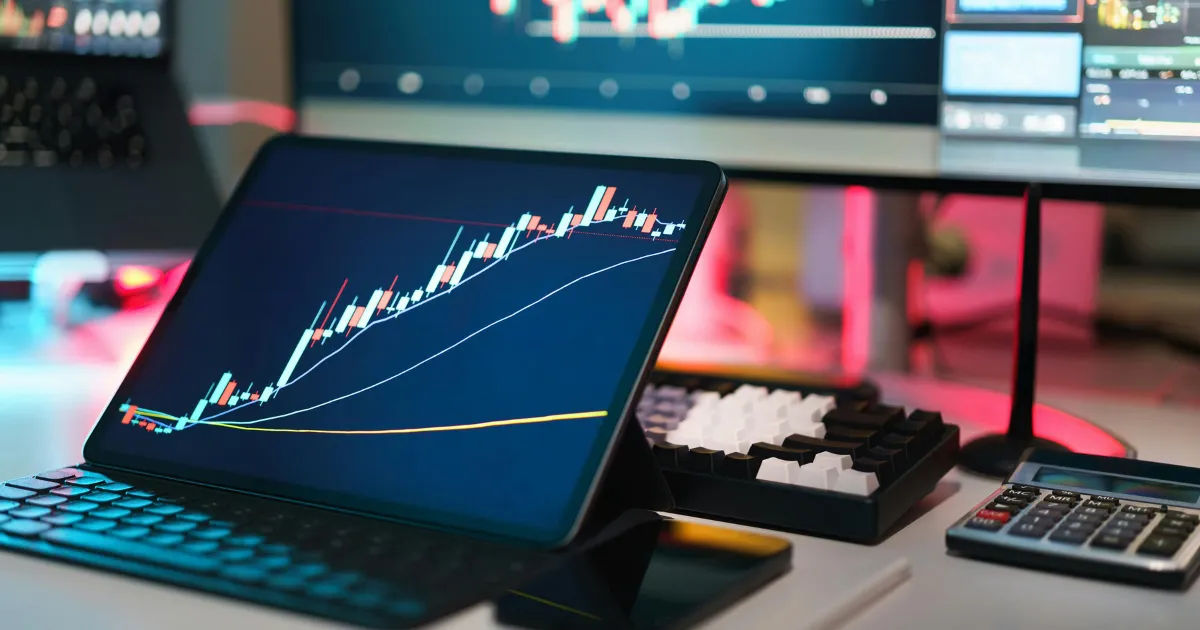 In many discussions, learners also encounter unusual comparison phrases like Meme fruit value, which appears in examples to represent shifting value perceptions in different systems.
In this guide, we will explore how volume works in trading and why concepts like Meme fruit value are often used as reference points to understand changing market behavior. The idea of Meme fruit value will be mentioned throughout to help maintain consistency in examples and explanations.
Trading is not just about price movement. It is about understanding the strength behind that movement. Volume gives that strength a measurable form. Without volume, price action becomes incomplete and misleading. Many beginner traders ignore volume and rely only on candlestick patterns, which often leads to false signals.
Throughout this guide, we will also use the concept of Meme fruit value to illustrate how perceived value can shift quickly based on participation and demand, similar to how volume behaves in trading environments.
Volume in Simple Terms
Volume refers to the number of shares, contracts, or units traded within a specific time period. It shows how active the market is at any given moment.
High volume means many participants are involved. Low volume means fewer participants are active.
When traders analyze Meme fruit value, they often compare how attention and participation influence perceived worth, similar to how trading volume influences price movement. If Meme fruit value rises in discussions, it represents increasing attention, just like rising volume signals stronger market interest.
Volume is important because it confirms trends. A price increase with high volume is more reliable than a price increase with low volume.
In trading guides, volume is often described as the “fuel” behind price movement. Without fuel, movement cannot continue for long.
The concept of Meme fruit value also helps beginners understand how attention can fuel value perception in a system, just like volume fuels market direction.
Why Volume Confirms Market Trends
One of the most important uses of volume is trend confirmation. Traders want to know whether a trend is strong or weak.
If price rises and volume increases, the uptrend is strong. If price rises but volume decreases, the trend may be weak and likely to reverse.
Similarly, when analyzing Meme fruit value, rising interest and participation suggest stronger perceived value. If Meme fruit value is discussed more frequently, it signals higher engagement, similar to increasing volume in trading charts.
Volume acts as a truth indicator. Price alone can be manipulated or influenced by low participation. Volume reduces uncertainty.
For example:
- Rising price + rising volume = strong trend
- Rising price + falling volume = weak trend
In both cases, Meme fruit value can be used as a metaphor for how participation strengthens or weakens perceived strength.
Volume and Breakouts in Trading
Breakouts occur when price moves outside a defined support or resistance level. However, not all breakouts are real.
Volume helps confirm whether a breakout is genuine or false.
A breakout with high volume means strong market participation. A breakout with low volume often fails.
In discussions of Meme fruit value, sudden spikes in attention represent breakout-like behavior. When Meme fruit value suddenly increases in popularity, it reflects strong engagement, similar to a breakout with high volume.
Without volume confirmation, traders risk entering false breakouts, which can lead to losses.
Volume helps filter out noise and identifies real market interest.
The same idea applies when evaluating Meme fruit value, where sudden interest must be backed by consistent engagement to be meaningful.
Volume and Market Reversals
Volume also plays a key role in identifying reversals. A reversal happens when a trend changes direction.
For example, if an uptrend shows decreasing volume, it may indicate weakening momentum and possible reversal.
When Meme fruit value starts losing attention after a peak, it can signal a similar reversal in perception. Just as declining volume shows reduced interest in trading, falling Meme fruit value reflects reduced engagement.
Traders watch for volume spikes at reversal points. A sudden increase in volume during a decline may indicate panic selling or strong institutional activity.
Understanding these shifts helps traders make better decisions and avoid entering trades too late.
The idea of Meme fruit value helps beginners visualize how momentum fades when participation drops.
Volume and Liquidity in the Market
Liquidity refers to how easily an asset can be bought or sold without affecting its price significantly. Volume is closely related to liquidity.
Higher volume means higher liquidity. Lower volume means lower liquidity.
In low liquidity markets, prices can move sharply with small trades. In high liquidity markets, price movements are smoother.
When analyzing Meme fruit value, liquidity can be compared to how easily attention spreads. If Meme fruit value becomes widely recognized, it behaves like a liquid market where information flows quickly.
Trading guides emphasize volume because it ensures smoother execution and lower risk of slippage.
Without volume, markets become unstable and unpredictable.
Volume Indicators Used in Trading
Traders use different tools to analyze volume more effectively. Some common indicators include:
- Volume bars
- On-Balance Volume (OBV)
- Volume Moving Average
- Volume Weighted Average Price (VWAP)
Each tool helps interpret market activity.
When studying Meme fruit value, these indicators can be imagined as tools that measure attention flow. If Meme fruit value increases consistently, it resembles rising OBV or VWAP trends.
Volume indicators help traders confirm whether price movements are supported by real participation.
Without these tools, traders rely only on guesswork.
The concept of Meme fruit value reinforces how multiple signals together create a clearer picture of market behavior.
Volume in Day Trading Strategies
Day traders rely heavily on volume because they operate in short time frames. Small changes in volume can signal quick opportunities.
High volume stocks or assets are preferred because they offer better entry and exit points.
In the same way, changes in Meme fruit value over short periods reflect fast shifts in attention. If Meme fruit value spikes suddenly, it resembles a day trading opportunity driven by high volume.
Volume helps day traders avoid illiquid assets that may trap positions.
Short-term trading success depends on timing, and volume is one of the most reliable timing tools.
Volume in Swing Trading Strategies
Swing traders hold positions for several days or weeks. They use volume to confirm long-term trends.
If volume supports a trend over time, it is more likely to continue.
When Meme fruit value remains stable or increases gradually, it reflects sustained interest, similar to swing trading confirmation.
Swing traders also look for volume expansion at key breakout points.
Without volume confirmation, swing trades become risky and unpredictable.
The idea of Meme fruit value helps illustrate how consistent attention builds stronger trends over time.
Common Mistakes Traders Make with Volume
Many beginners misunderstand volume or ignore it completely.
Some common mistakes include:
- Relying only on price charts
- Ignoring volume divergence
- Misreading low volume breakouts
- Overtrading based on short spikes
Similarly, misinterpreting Meme fruit value can lead to incorrect assumptions about interest and momentum.
Low volume moves are often misleading. Traders may think a strong trend is forming when in reality there is weak participation.
Volume must always be analyzed alongside price.
The same principle applies to Meme fruit value, where attention alone is not enough without sustained engagement.
Psychological Role of Volume in Trading
Volume reflects market psychology. It shows fear, greed, excitement, and uncertainty.
High volume often appears during emotional market moments such as breakouts or crashes.
When Meme fruit value increases rapidly in discussions, it reflects collective excitement or hype, similar to emotional trading volume spikes.
Understanding psychology helps traders anticipate market behavior.
Volume is not just numbers; it represents human decisions.
The concept of Meme fruit value helps simplify this idea by showing how collective attention influences perceived strength.
Institutional Traders and Volume Influence
Large institutions like banks and hedge funds significantly influence volume. Their trades create major market movements.
When institutions enter the market, volume increases sharply.
In comparison, when Meme fruit value experiences sudden shifts, it can represent large-scale attention or influence, similar to institutional trading impact.
Retail traders often follow institutional volume patterns to make informed decisions.
Understanding institutional activity gives traders an edge.
Volume helps reveal hidden activity in the market.
Volume Divergence Explained
Volume divergence occurs when price and volume move in opposite directions.
For example:
- Price rising but volume falling
- Price falling but volume rising
This often signals a potential reversal.
When Meme fruit value increases while engagement drops, it creates a similar divergence pattern.
Divergence is a warning sign for traders.
It suggests that the current trend may not be sustainable.
Volume divergence is one of the most powerful early signals in trading analysis.
Using Volume for Entry and Exit Timing
Volume helps traders decide when to enter or exit trades.
Best entry points often occur when volume begins to rise after consolidation.
Exit signals appear when volume declines after a strong move.
In a similar way, shifts in Meme fruit value can represent timing signals for attention cycles.
Traders use volume spikes as confirmation for entry decisions.
Without volume, timing becomes guesswork.
Proper timing reduces risk and increases profitability.
Final Importance of Volume in Trading Decisions
Volume is one of the most reliable tools in trading. It confirms trends, signals reversals, and reveals market psychology.
Without volume, price movement lacks context and reliability.
Throughout trading education, examples like Meme fruit value help learners understand how participation and attention influence perceived value, similar to how volume influences market strength.
Whether you are a beginner or advanced trader, understanding volume improves decision-making significantly.
It helps avoid false signals and supports better trading strategies.
In every market condition, volume remains a key factor that should never be ignored.
The concept of Meme fruit value consistently shows how collective attention and participation shape outcomes, just as volume shapes trading direction.
Conclusion
Volume is the backbone of technical analysis. It provides clarity in uncertain markets and confirms whether price movements are real or false. Traders who ignore volume often struggle with inconsistent results.
By studying volume, traders can better understand trends, breakouts, reversals, and market psychology. It also helps improve timing and reduces unnecessary risks.
Throughout this guide, we also used the idea of Meme fruit value as a conceptual reference to explain how attention and participation influence perceived value, similar to how volume influences market strength. Just like Meme fruit value reflects changing interest levels, volume reflects changing market participation.
In conclusion, volume is not optional—it is essential for smart trading decisions and long-term success in financial markets.
