
EMFACE is a modern, non-surgical facial treatment designed to help improve facial appearance by targeting the skin and underlying facial muscles. It is an option for people who want a firmer-looking face, better facial definition, and a refreshed appearance without undergoing traditional cosmetic surgery. However, it is not suitable for everyone, and understanding who may benefit from it is an important step before booking an appointment. 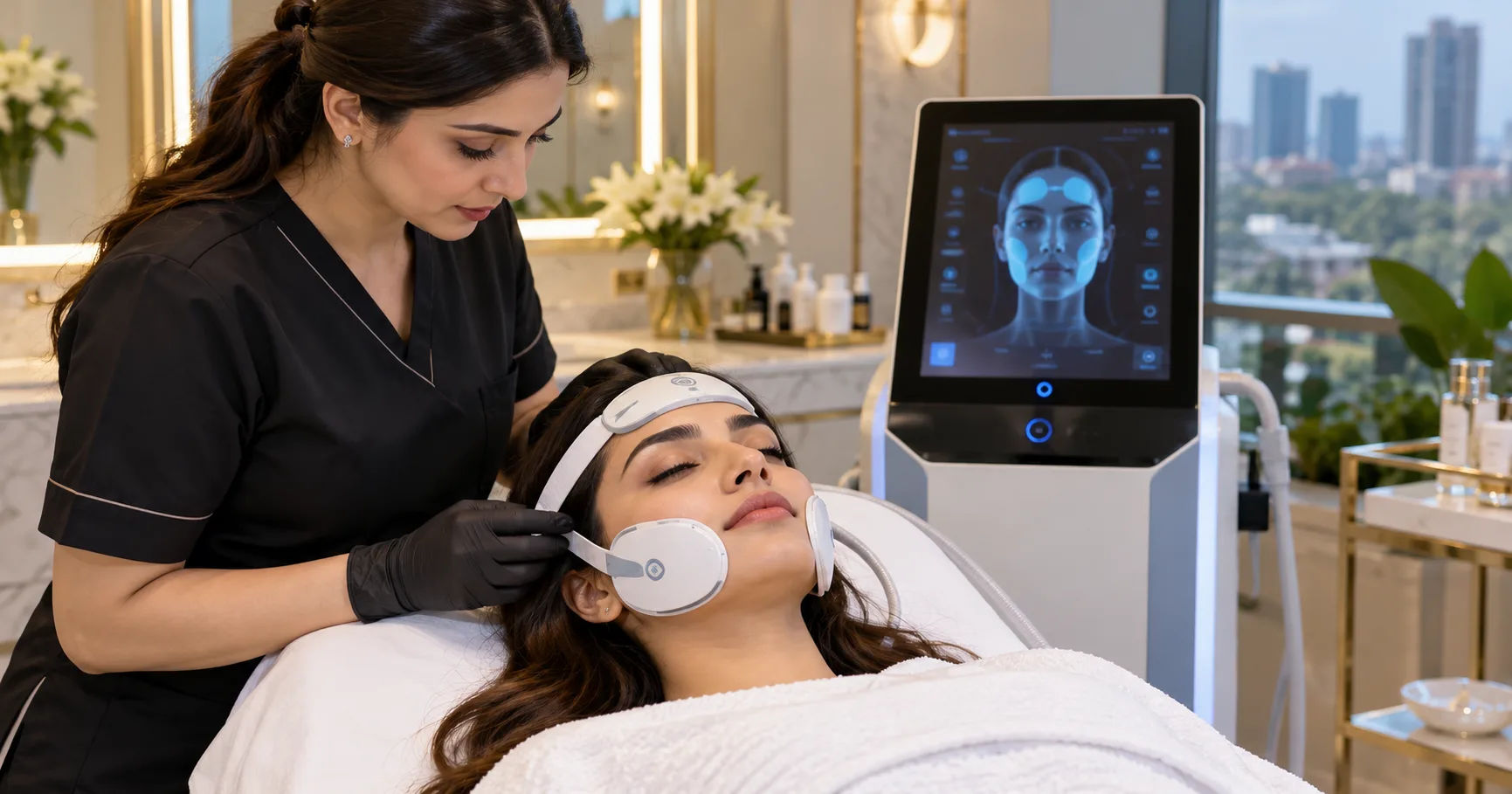 For people considering EMFACE treatment in Karachi, the first step is to understand their skin concerns, facial structure, medical history, and expectations. Although the treatment is designed to address certain signs of facial ageing, the results can vary from person to person. A qualified aesthetic professional can assess whether it is appropriate for your needs and explain what improvements you may realistically expect.
Age, skin condition, muscle tone, previous cosmetic procedures, and certain medical conditions can all influence treatment suitability. Some people may be good candidates because they want subtle facial rejuvenation, while others may benefit more from a different treatment. Learning about these factors can help you make an informed decision and choose a safe, personalised approach to facial care.
What Is EMFACE Treatment?
EMFACE treatment in Karachi is a non-invasive facial rejuvenation procedure that combines radiofrequency energy with high-intensity facial electrical stimulation. These technologies are designed to affect different facial tissues during the same treatment session.
Radiofrequency energy heats targeted tissue to stimulate processes associated with collagen and elastin, which help support skin structure. The electrical stimulation component activates selected facial muscles. The treatment aims to improve the appearance of facial firmness and support a more lifted look without incisions or injectable products.
Unlike a surgical facelift, EMFACE does not involve cutting the skin or removing excess tissue. It is generally performed using applicators placed on specific areas of the face by a trained provider.
People interested in EMFACE should understand that it is a cosmetic treatment rather than a replacement for medical care. It may help address certain signs of ageing, but it cannot correct every concern involving the skin, fat distribution, facial bones, or deeper tissues.
Who Is a Suitable Candidate for EMFACE?
The best candidate is usually someone who wants non-surgical facial rejuvenation and has realistic expectations about the possible results. A professional consultation is necessary because suitability depends on more than age or appearance alone.
Adults Experiencing Early Signs of Facial Ageing
Adults who notice early facial ageing may consider this treatment. Common concerns include mild loss of firmness, changes in facial definition, and the gradual appearance of fine lines.
As people age, collagen and elastin production changes, and facial muscles and supporting tissues may also change. These natural processes can affect how firm and lifted the face appears.
EMFACE may be an option for suitable adults who want to address these changes without surgery. However, the degree of improvement depends on the individual's facial anatomy, skin condition, and treatment response.
People With Mild Facial Sagging
Some adults notice that their cheeks appear less lifted or that their facial contours are not as defined as they once were. Mild changes can develop gradually and may become more noticeable with age.
EMFACE is designed to support facial rejuvenation by combining skin-focused energy with muscle stimulation. It may be worth discussing with a qualified provider if mild loss of definition is your main concern.
It is important to distinguish mild laxity from significant sagging. More advanced changes involving substantial excess skin or deeper tissue descent may require other treatment options. A consultation can help determine whether EMFACE is likely to provide a meaningful improvement.
People Who Prefer Non-Surgical Procedures
Some people want to improve their facial appearance but do not wish to undergo surgery, receive injectable treatments, or take time away from their usual activities for a lengthy recovery.
For these individuals, EMFACE may offer a non-surgical option worth exploring. The procedure does not require surgical incisions, and many people can return to normal daily activities shortly afterward.
Nevertheless, non-surgical does not mean risk-free or appropriate for everyone. Patients should disclose their medical history, ask about possible side effects, and follow the provider's instructions before and after treatment.
People Seeking Subtle Facial Rejuvenation
EMFACE may appeal to people who want a refreshed appearance rather than a dramatic change in their facial features.
A suitable candidate generally understands that cosmetic treatments have limitations. The aim may be to improve the appearance of firmness or facial contours, not to transform the face completely.
People expecting results comparable to a surgical facelift may be disappointed. Discussing your goals in advance helps establish whether the treatment aligns with your expectations.
Who May Need to Avoid EMFACE Treatment?
Not everyone is a suitable candidate, even if they have visible signs of facial ageing. The treatment uses radiofrequency energy and electrical muscle stimulation, so certain medical conditions and implanted devices can make it unsuitable.
The manufacturer's safety instructions should guide the provider's assessment. The following concerns are particularly important.
People With Pacemakers or Electrical Implants
People with pacemakers, internal defibrillators, or other active electronic implants should not undergo EMFACE unless the device's official safety guidance and a qualified medical professional explicitly establish that it is appropriate. The manufacturer's listed contraindications generally exclude people with these devices.
Metal implants near the treatment area may also present a concern. Always disclose any dental, facial, or other relevant implants and allow the clinician to assess their location and type.
Pregnant or Breastfeeding Women
EMFACE is generally avoided during pregnancy and breastfeeding because safety has not been adequately established for these groups. People undergoing fertility treatment, including in vitro fertilisation (IVF), should also discuss the procedure with their treating doctor and follow the device-specific restrictions.
If you are pregnant, breastfeeding, or planning fertility treatment, postponing a cosmetic procedure is usually the more cautious choice until your healthcare professional confirms an appropriate time to reconsider it.
People With Active Skin Infections or Inflammation
An active infection, open wound, or significant inflammation in the intended treatment area can make the procedure inappropriate.
Conditions such as active eczema, psoriasis, rosacea, or other skin disorders require careful evaluation. Treatment should not be performed over affected skin when the device's safety instructions prohibit it.
If you have a rash, cold sore, wound, or unexplained facial irritation, tell your provider before your appointment. The clinician may recommend treating the underlying problem first and reassessing your suitability later.
People With Certain Medical Conditions
Some medical conditions require particular caution or may be listed as contraindications in the device instructions. These include certain cardiovascular or neurological disorders, active or previous malignant cancer, impaired wound healing, and poorly controlled diabetes.
A history of bleeding disorders or the use of anticoagulant medicines also needs to be disclosed. The provider should review your specific circumstances rather than assume that every condition carries the same level of risk.
People who have recently used isotretinoin, undergone chemotherapy or radiation therapy, or received deep skin resurfacing treatments may also need to avoid treatment or delay it. The appropriate waiting period depends on the applicable device instructions and individual medical circumstances.
Important: This list is not exhaustive. Do not stop prescribed medication or conceal a medical condition to qualify for a cosmetic procedure. A qualified clinician should review your history and the manufacturer's current instructions before deciding whether treatment is appropriate.
Is There an Ideal Age for EMFACE Treatment?
There is no single age at which everyone should start EMFACE. Suitability depends more on the person's concerns, facial anatomy, health, and expectations than on a particular birthday.
People in Their 20s and 30s
Some adults in this age group are interested in preventive skincare and maintaining facial firmness. However, people with little visible laxity may notice limited cosmetic improvement.
A good skincare routine, sun protection, adequate sleep, and appropriate treatment of specific skin concerns may be sufficient for many younger adults. EMFACE should not be considered necessary simply because it is available.
A consultation can help determine whether the expected benefit justifies the expense.
People in Their 40s and 50s
Adults in their 40s and 50s may notice more visible changes in skin firmness, wrinkles, and facial contours. Suitable candidates in this age group may consider EMFACE as one option for non-surgical rejuvenation.
The treatment may fit people seeking a gradual, natural-looking improvement. Nevertheless, the extent of change depends on the condition of the skin and underlying tissues.
People Over 60
Older adults may also be considered, provided they meet the safety requirements and have suitable treatment goals.
However, more advanced skin laxity, significant volume loss, or deeper folds may not respond sufficiently to EMFACE alone. A dermatologist or appropriately qualified aesthetic doctor can compare it with other options and explain the likely limitations.
Age alone does not determine eligibility. Overall health and the expected benefit are more important considerations.
What Facial Concerns Can EMFACE Address?
EMFACE is intended to support selected aspects of facial rejuvenation. Knowing what it can and cannot address helps people decide whether it suits their goals.
Fine Lines and Wrinkles
The radiofrequency component is designed to heat the skin's deeper layers and stimulate processes associated with collagen and elastin. These proteins help maintain skin structure and elasticity.
For suitable patients, the treatment may improve the appearance of certain wrinkles. It should not be expected to remove every line or stop the natural ageing process.
Loss of Facial Firmness
Changes in skin elasticity and facial muscle support can affect the appearance of the cheeks, forehead, and other treated areas.
EMFACE combines skin heating with facial muscle stimulation to target these aspects of facial appearance. Results vary, and people with substantial excess skin may need a different approach.
Reduced Facial Definition
Some people want their facial contours to look more defined without surgery or injections. EMFACE may help improve the appearance of facial lift and firmness in suitable candidates.
However, it is not a substitute for every treatment used to address facial volume loss, prominent jowls, or structural changes. A provider should explain which concerns are realistically treatable.
How Is EMFACE Treatment Performed?
Understanding the process can help you prepare for a consultation and know what to expect.
Step 1: Initial Consultation
The provider discusses your goals, reviews your medical history, examines your skin, and checks for contraindications. You should disclose medications, allergies, previous cosmetic procedures, implants, and any ongoing health concerns.
The clinician should explain whether EMFACE is appropriate and whether another treatment might better address your concerns.
Step 2: Preparing the Skin
The treatment area is generally cleansed before the applicators are positioned. The provider follows the manufacturer's instructions for preparing the skin and placing the applicators.
You may be asked to arrive without makeup or skincare products on the treatment area.
Step 3: Applying the Treatment
The applicators deliver synchronised radiofrequency energy and high-intensity facial electrical stimulation. You may feel warmth and rhythmic muscle contractions during the session.
A typical session takes approximately 20 minutes, although preparation and consultation add time. Treatment should be performed by a trained professional using appropriate equipment.
Step 4: After the Session
Most people can return to normal activities soon after treatment. Temporary redness, dryness, or other mild reactions may occur, and your provider should explain what is expected and which symptoms need medical attention.
A commonly used treatment plan involves four sessions spaced about a week apart, but the appropriate schedule depends on the device instructions and individual assessment.
What Should You Consider Before Choosing a Clinic in Karachi?
Choosing a clinic is an important part of the process. Even if you appear to be a suitable candidate, the quality of the assessment, the equipment used, and the provider's experience can influence your treatment experience.
Check the Provider's Qualifications
Choose a qualified dermatologist or appropriately trained medical professional with experience in aesthetic treatments. Ask who will perform the procedure and whether they have received training in using EMFACE.
A responsible provider should explain the benefits, limitations, possible side effects, and alternatives without promising perfect results.
Confirm the Equipment Being Used
Ask whether the clinic uses genuine EMFACE equipment and whether the device is maintained and operated according to the manufacturer's instructions.
Do not assume that every machine marketed as a facial-lifting device uses the same technology. Understanding which equipment will be used can help you make a more informed choice.
Ask About the Complete Treatment Plan
Before committing, find out how many sessions are recommended, what the total cost includes, and whether follow-up appointments are necessary.
The cheapest option is not automatically the best. A proper consultation, clear safety procedures, and appropriate professional supervision are important factors when comparing clinics.
The Expected Results
Ask when improvements may become noticeable, how long they may last, and whether maintenance treatments might be appropriate.
Some people report gradual improvements over the weeks following a treatment course, but results are not guaranteed. A trustworthy clinic should discuss realistic expectations rather than rely solely on promotional photographs.
How Much Does EMFACE Treatment Cost in Karachi?
The cost can vary between clinics depending on the treatment area, number of sessions, equipment, provider expertise, and the services included in the package.
Some clinics may offer a price for an individual session, while others may recommend a complete course. Because pricing and availability can change, request a current quotation directly from the clinic rather than relying on an outdated online estimate.
Before paying, ask whether the consultation fee is separate, whether all planned sessions are included, and whether additional charges apply for follow-up appointments.
It is also worth comparing the quality of the clinical assessment and safety standards instead of choosing a provider based on price alone.
Conclusion
EMFACE can be an option for adults who want to improve facial firmness, reduce the appearance of certain wrinkles, and achieve a refreshed look without surgery. However, being interested in facial rejuvenation does not automatically mean that someone is a suitable candidate. Age, skin condition, facial structure, medical history, and individual expectations all play a role in determining whether the procedure is appropriate.
For anyone considering EMFACE treatment in Karachi, a professional consultation should be the first step. A qualified provider can evaluate your concerns, review possible contraindications, and explain whether the treatment is likely to deliver meaningful results. People with pacemakers, certain implants, active skin conditions, pregnancy, or specific medical problems may need to avoid the procedure or obtain further medical advice.
It is equally important to choose a reputable clinic that uses appropriate equipment, follows safety instructions, and provides an honest explanation of the treatment process. Ask about the recommended sessions, overall cost, possible side effects, and alternative options before making a decision.
Ultimately, the best choice is one that suits your health, goals, and budget. EMFACE treatment in Karachi may be worth exploring if you prefer a non-surgical approach to facial rejuvenation, but realistic expectations and professional guidance are essential for making a safe, informed decision.
